

NEWS AND EVENTS
Nordic cooperation on cybersecurity
I was recently invited to the Embassy of Finland in Oslo in connection with North European Cyber Days 2026. It was a valuable opportunity to meet other players in the cybersecurity community and discuss challenges we largely share across national borders.
One of the things I took away from the gathering was how important it is for us in the Nordics to work more closely together. Not only to meet an increasingly demanding threat landscape, but also to strengthen our own expertise, technology and ability to protect the vital functions of society we depend on.
When cyberattacks have physical consequences
In recent weeks, we have seen several examples of how vulnerable digitalised societies can be. In October and November, refrigeration and freezer systems in grocery stores in several European countries were hit by cyberattacks in which the attackers managed to manipulate temperature control, resulting in large quantities of spoiled food and financial losses.
These attacks are not about traditional data breaches or leaked information, but attacks on the technology that controls entirely physical processes.
Water from the tap, power from the socket, food in the shops and transport that works. We take most of this for granted in everyday life, but behind these services lie complex technological systems that are increasingly interconnected and exposed to digital threats.
Through our work at Securenok, we see how big the gap still is between the maturity of traditional IT security and the security of the industrial systems that control physical processes. Many organisations have invested heavily in protecting their IT systems, but still have limited visibility into what is happening in their operational environments (OT).
The freezer incidents are a reminder that the consequences of inadequate security in such environments can be very concrete, and if someone can manipulate the temperature in a refrigeration system, it is natural to ask which other industrial systems might be vulnerable.
Who should we depend on to protect our own infrastructure?
One question I believe deserves more room in the cybersecurity debate is who we make ourselves dependent on when protecting the most critical parts of our society. In a world marked by growing geopolitical uncertainty, technological independence and digital sovereignty have become increasingly important topics.
This does not mean we should stop using international technology or isolate ourselves from global markets; on the contrary, international cooperation is absolutely essential. But I believe we should be more aware of the dependencies we are building, who controls the technology, and what expertise we ourselves have to understand and manage risk.
We have strong professional communities in the Nordics, high technological expertise and good conditions for developing solutions that meet our own needs. I believe we must increasingly see Nordic technology development as part of our overall resilience, because our own expertise, innovation and technological alternatives make us less vulnerable.
The Nordics have more to gain from working together
Norway, Finland and our other Nordic neighbours have a lot in common. We are highly digitalised societies, we share many of the same values, and we face many of the same security challenges. At the same time, we have different strengths and experiences that we can learn from.
I believe there is great potential in bringing our technology communities closer together, sharing knowledge and making it easier for Nordic companies to develop and scale technology across borders. We do not necessarily have to solve everything on our own.
Cooperation starts with good conversations
I would like to extend a big thank you to the Embassy of Finland and Ambassador Tanja Jääskeläinen for the invitation and for making room for important conversations.
For a long time, we have talked a lot about openness around experiences with cyber threats and attacks, but I left with a stronger conviction that Nordic cooperation should just as much be about building the expertise, technology and relationships that make us better equipped to meet new cyber threats as well. This means taking greater responsibility for our own security, reducing unnecessary dependencies and becoming better at working with our closest neighbours.
How well do you know your OT environment?
Nordic cooperation is important, but good cybersecurity also starts with each individual organisation.
Do you know which devices are connected to the OT network, how they communicate, and where any security risks lie?
With Securenok's OT Health Check, you get a concrete mapping of your operational technology, a better understanding of risk and a clear basis for prioritising the right security measures.
It is a simple, well-defined first step towards better control and greater resilience.
Take the first step towards better OT security.
Get an overview of your OT security – read more about the OT Health Check

See more, fear Less. Explore
OT cybersecurity insights.
Insights from Norway’s cybersecurity experts


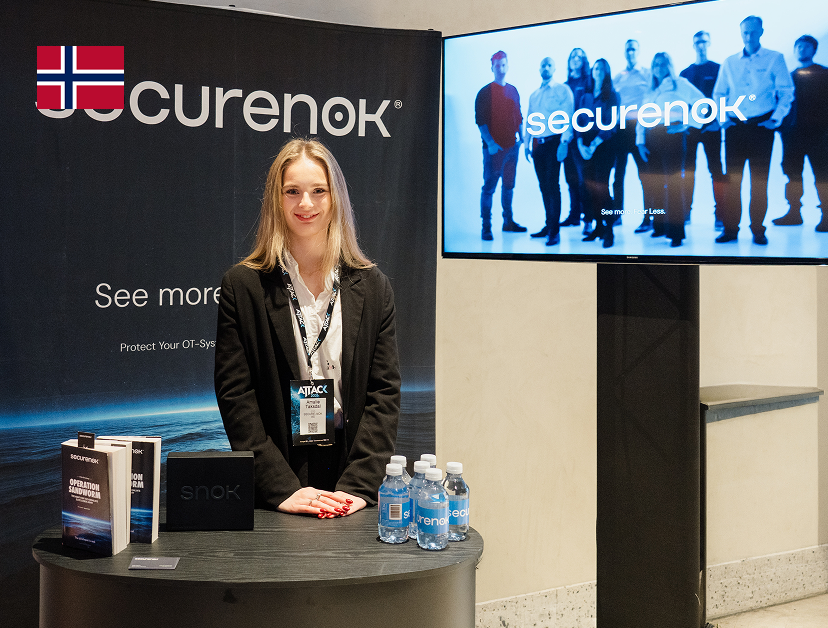
My first Attack conference: Golf, good conversations and a more serious backdrop
How do you present a cybersecurity company to potential customers while you are still learning about it yourself? I got to practise that when I attended my very first conference, the Attack conference, with SecureNOK on 13 October.

SNOK Health Check picks up speed – we are delivering OT overview after OT overview
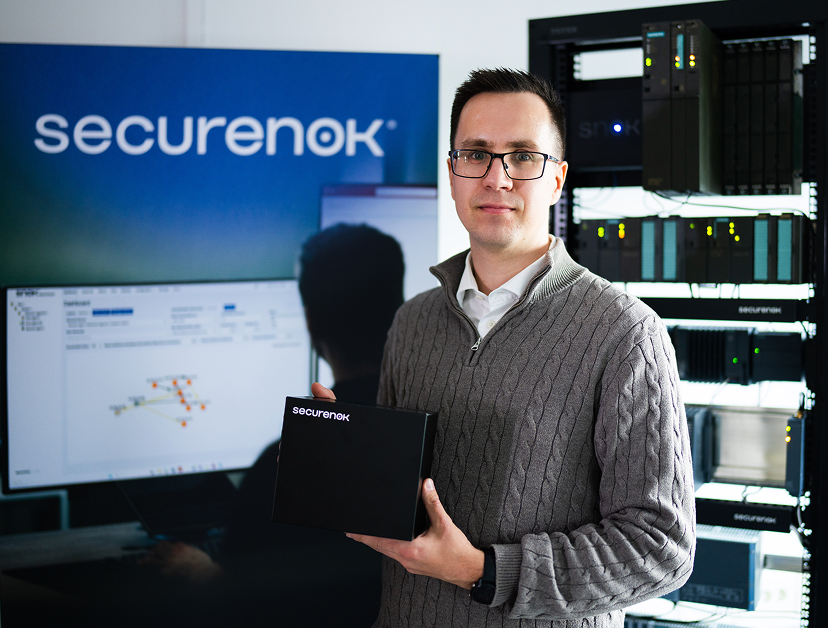
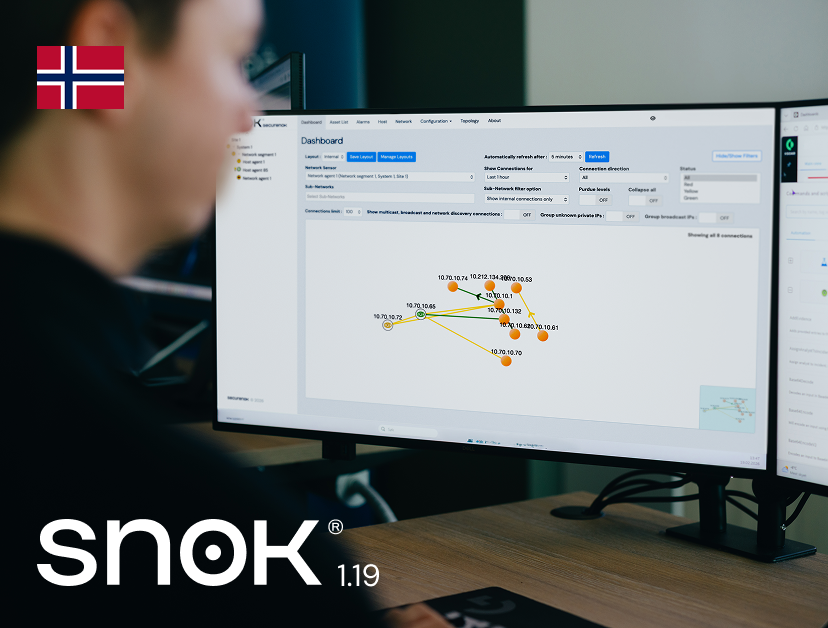
What equipment is connected to the OT network, and who is communicating with whom? After several projects with the SNOK Health Check, I see how useful it is to get answers to these questions before deciding on the next security measure.
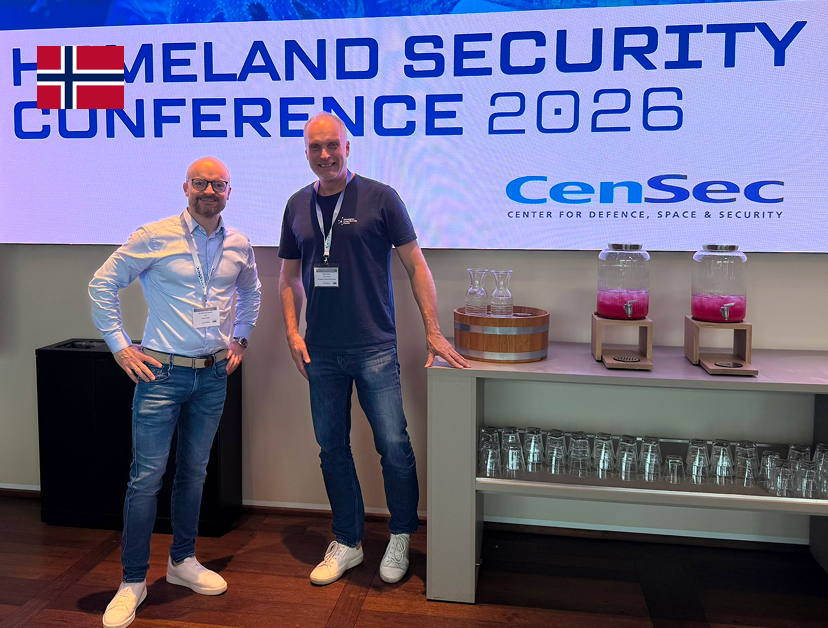
Water supply and critical infrastructure in focus at the Homeland Security Conference in Denmark
What does it take to keep society running when critical infrastructure is exposed to attacks and disruptions? This question was central when I attended the Homeland Security Conference in Copenhagen on 7 October with the Norwegian Cybersecurity Cluster.

Halfway through the OT Roadshow – time for the conversations that often have to wait
Trondheim, Bergen and Stavanger are done, and we are halfway through the OT Roadshow. For me, this is a valuable opportunity to look up from technology development and discuss security with those who know the everyday reality of industry.

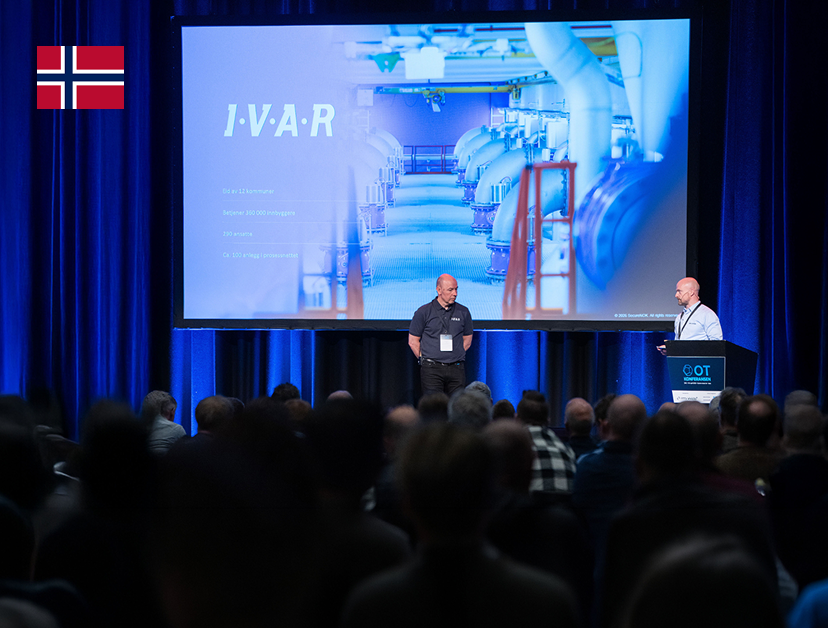
Full house as IVAR IKS shared its experiences with OT security
Interest in the webinar with IVAR IKS was greater than we had dared to hope. Through our October campaign on health checks for water and wastewater facilities, we are now making it easier for more organizations to take the same first step towards better overview and control of their OT environments.



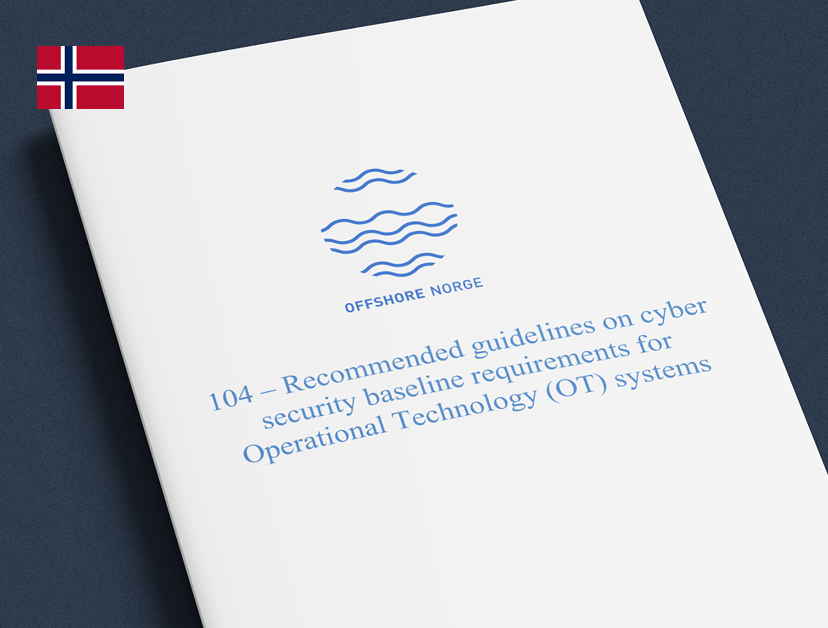
ON 104 has been updated: New requirements for safer and more robust operations on the Norwegian continental shelf
From 1 June 2026, the updated version of Offshore Norge Guideline 104 (ON 104 Rev. 7) applies – one of the most important frameworks for cybersecurity in operational technology (OT) in the petroleum industry.

The Norwegian Food Safety Authority's new guide makes one thing clear: Waterworks must now take OT security seriously
The Norwegian Food Safety Authority (Mattilsynet) has now published the first official guide to the Digital Security Regulations for drinking water. It is an important milestone for Norwegian water supply – and a clear signal that the authorities are now stepping up work on digital security in the sector.


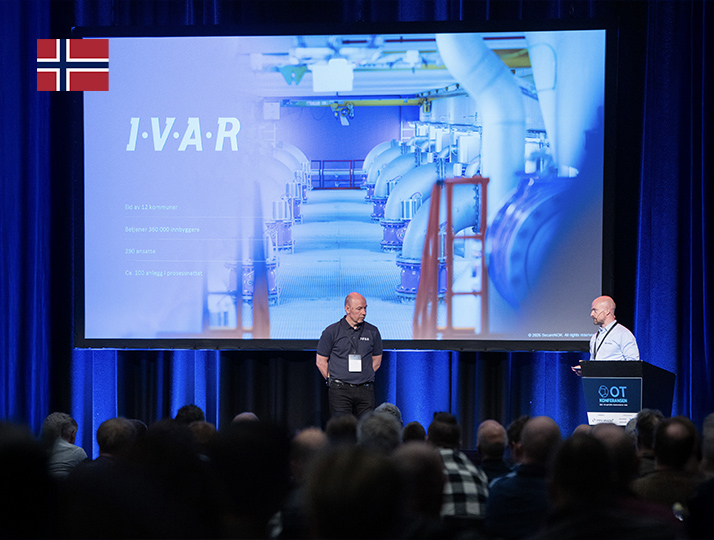
OT Konferansen shows the Nordics taking a leading role in OT security
Today, many industrial environments consist of industrial networks, virtual environments, Windows and Linux systems, remote access, patching and backup solutions, security tools, cloud services and integrations with IT.


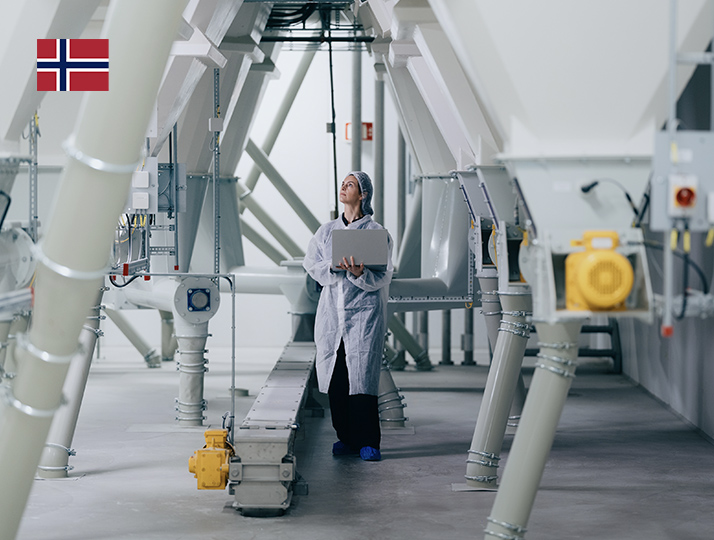
OT security in the food industry starts with insight
As a project manager on OT security projects, I often encounter the same starting point at industrial companies: They know a great deal about production, processes and equipment – but far less about what the digital infrastructure actually looks like in practice.

Norwegian-developed OT security technology for industry and critical infrastructure
Norwegian industry is becoming increasingly digitalized. Production lines, process plants, energy systems and critical infrastructure are being connected more closely to modern IT systems, external suppliers and digital services. At the same time, there is a growing need for cybersecurity solutions actually developed for industrial environments.
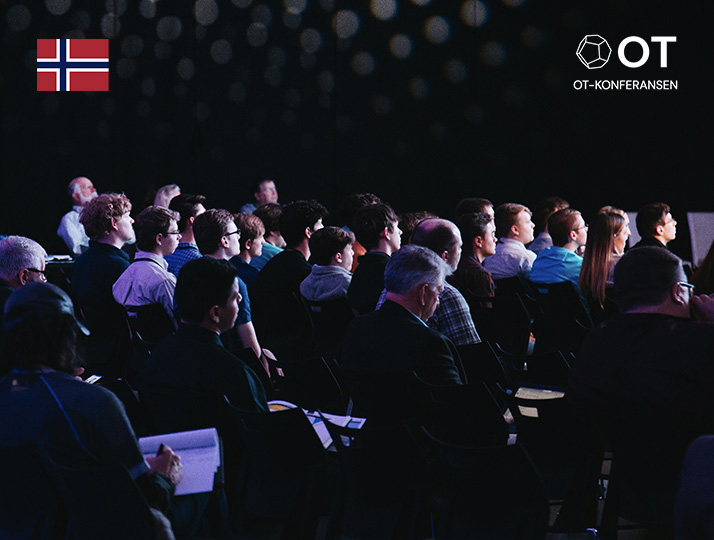
Strong support for OT Konferansen 2026 – bringing together leading experts in Stavanger
OT Konferansen 2026 takes place on 29 April in Stavanger, and this year's edition already stands out with a programme that brings together some of the most central players in OT security and industrial digitalization.
Growing need for control in complex automation environments in oil and gas
In recent years, the digitalization of the oil and gas industry has brought significant gains in efficiency, better data and greater flexibility. At the same time, this development has led to a significant increase in complexity – and therefore also in risk.

How to gain control of the OT environment in practice – experiences from IVAR
For IVAR IKS, stable operations are not just a goal – they are a prerequisite for society to function. As a provider of water and wastewater services to around 360,000 residents in Nord-Jæren, the organization manages critical infrastructure where the consequences of failure are immediate and extensive.
The Preparedness Year 2026: Are water and wastewater in Norwegian municipalities secure enough?
Municipal water supply is among the societal functions covered by the Digital Security Act. The Act entered into force on 1 October 2025 and sets basic requirements for digital security in organizations of particular importance to society. The regulations also place responsibility for digital security clearly with the organization's top management.




Stricter Security Requirements for Critical Services from 1 October 2025 under theDigital Security Act
O nFriday, 20 June, the Norwegian government decided in a Council of State meeting that the Digital Security Act will enter into force on 1 October 2025. At the same time, the Digital Security Regulation was adopted, entering into force concurrently with the Act.


Bremanger Breach: Lessons from a Norwegian Dam Hack
Earlier this year, unidentified hackers breached the control system of a Norwegian dam at Risevatnet, in Bremanger. The hackers discovered that the dam had a Human Machine Interface (HMI) exposed on the Internet and was able to gain access by exploiting a weak password.p
Digitalization: Opportunities and New Risks
Digitalization offers enormous opportunities for efficiency, but it also introduces new risks. When OT systems (Operational Technology) are connected to the internet, vulnerability to attacks increases—attacks that threaten not only data, but also lives, health, and critical societal functions.