
NEWS AND EVENTS
Stricter requirements for manufacturers of digital solutions – Securenok is ready
By Leif Erik Bohne, R&D Manager, Securenok
Cybersecurity is no longer just a question of technology. It is increasingly a question of documentation, processes, management responsibility and compliance with regulatory requirements.
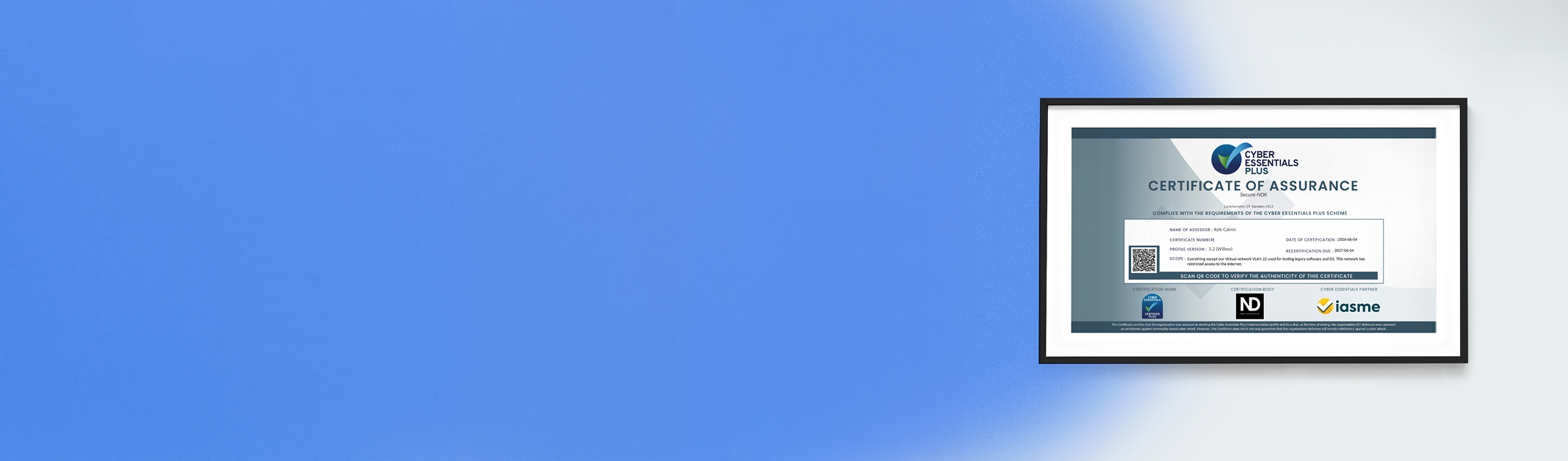
That is why we are proud to announce that Securenok has now achieved Cyber Essentials Plus certification. The certification confirms that we meet recognized requirements for basic cybersecurity and that our own security controls have been verified through independent testing.
For us, this is not a goal in itself, but an important step on the way to even greater maturity in the secure development, operation and delivery of our solutions.
The regulatory wave is here
In recent years, we have seen a significant increase in regulatory requirements related to cybersecurity. GDPR, NIS2, DORA, CER, the AI Act and the Cyber Resilience Act (CRA) are just some of the initiatives now affecting both organizations and technology suppliers.
The common denominator is clear:
- A risk-based approach to security
- Documentation requirements
- Reporting obligations
- Management responsibility
- Supervision and sanctions for non-compliance
For organizations operating in critical infrastructure and industrial technology, this means cybersecurity is increasingly a requirement – not a choice.
What is the Cyber Resilience Act (CRA)?
While NIS2 is largely aimed at organizations providing critical services, the Cyber Resilience Act is aimed at manufacturers and suppliers of products with digital elements.
In short, this means manufacturers must be able to document that their products are developed, maintained and delivered securely throughout the product's life cycle.
The CRA applies to most products that connect to networks or communicate digitally, whether software, IoT devices, industrial components or other digital solutions. The aim is to reduce the risk of insecure products becoming entry points for cyberattacks.
What does this mean in practice?
For manufacturers of digital solutions, the CRA involves requirements including:
- Secure development ("secure by design")
- Risk assessments throughout the product's life cycle
- Handling and reporting of vulnerabilities
- Documentation of security work
- Clear responsibility for security updates
- Incident handling processes
The obligation to report serious security incidents and actively exploited vulnerabilities starts as early as 2026, while the other requirements are being phased in towards 2027.
How is Securenok working on this?
As a supplier of OT security solutions to critical infrastructure and industry, we see the CRA as a natural development of the market.
The work on Cyber Essentials Plus is one of several measures we are carrying out to strengthen our internal processes and security mechanisms. We are also reviewing our development, testing and delivery processes to ensure they meet the requirements of the Cyber Resilience Act.
The goal is simple:
We will not only help our customers comply with new regulatory requirements. We will also be an example of how manufacturers of cybersecurity solutions themselves take responsibility for security, quality and compliance.
Regulatory developments can feel demanding. At the same time, they represent an opportunity to build more robust digital solutions and strengthen trust between suppliers, customers and authorities.
At Securenok, we are actively working to meet the new requirements for manufacturers of digital solutions, while helping customers understand how regulatory changes affect their security work.
Our OT health check is a good example of this. Through a structured review of the OT environment, we identify risks, vulnerabilities and areas for improvement, while giving the organization a better basis for meeting requirements from NIS2, IEC 62443 and other regulatory frameworks related to cybersecurity and critical infrastructure.


Insights from Norway’s cybersecurity experts
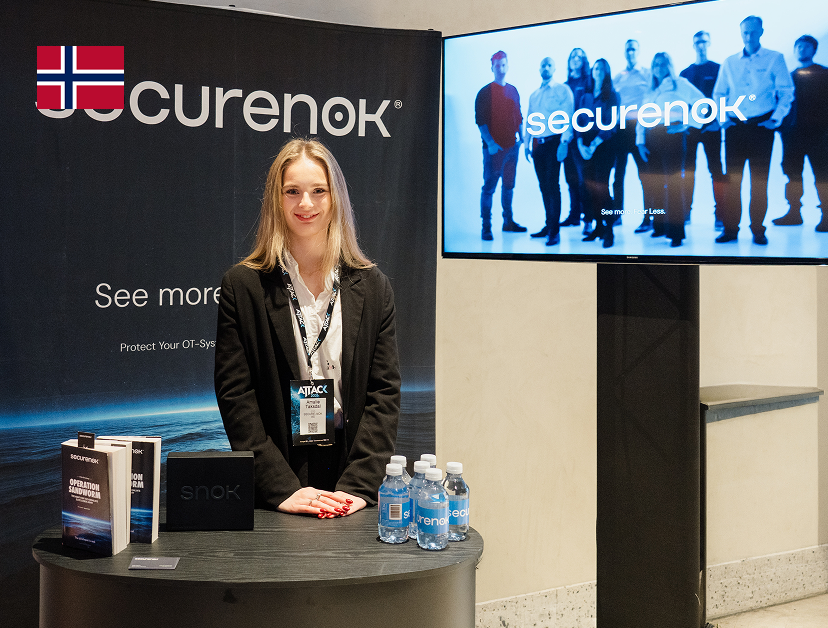
My first Attack conference: Golf, good conversations and a more serious backdrop
How do you present a cybersecurity company to potential customers while you are still learning about it yourself? I got to practise that when I attended my very first conference, the Attack conference, with SecureNOK on 13 October.

SNOK Health Check picks up speed – we are delivering OT overview after OT overview
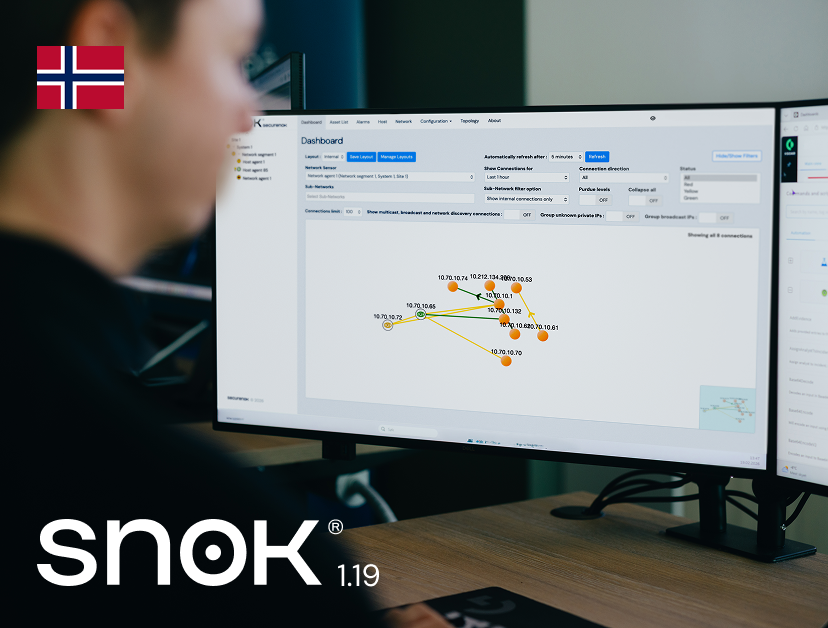
What equipment is connected to the OT network, and who is communicating with whom? After several projects with the SNOK Health Check, I see how useful it is to get answers to these questions before deciding on the next security measure.
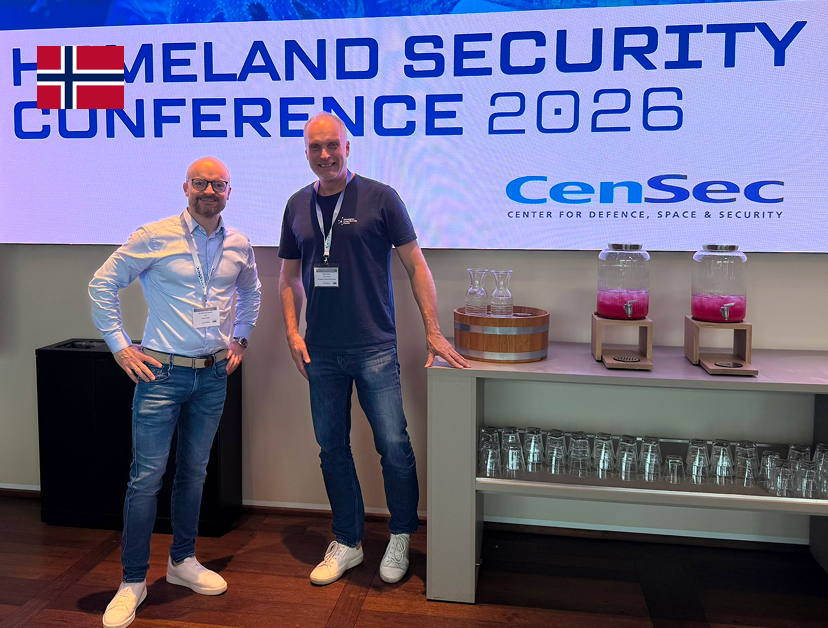
Water supply and critical infrastructure in focus at the Homeland Security Conference in Denmark
What does it take to keep society running when critical infrastructure is exposed to attacks and disruptions? This question was central when I attended the Homeland Security Conference in Copenhagen on 7 October with the Norwegian Cybersecurity Cluster.

Halfway through the OT Roadshow – time for the conversations that often have to wait
Trondheim, Bergen and Stavanger are done, and we are halfway through the OT Roadshow. For me, this is a valuable opportunity to look up from technology development and discuss security with those who know the everyday reality of industry.




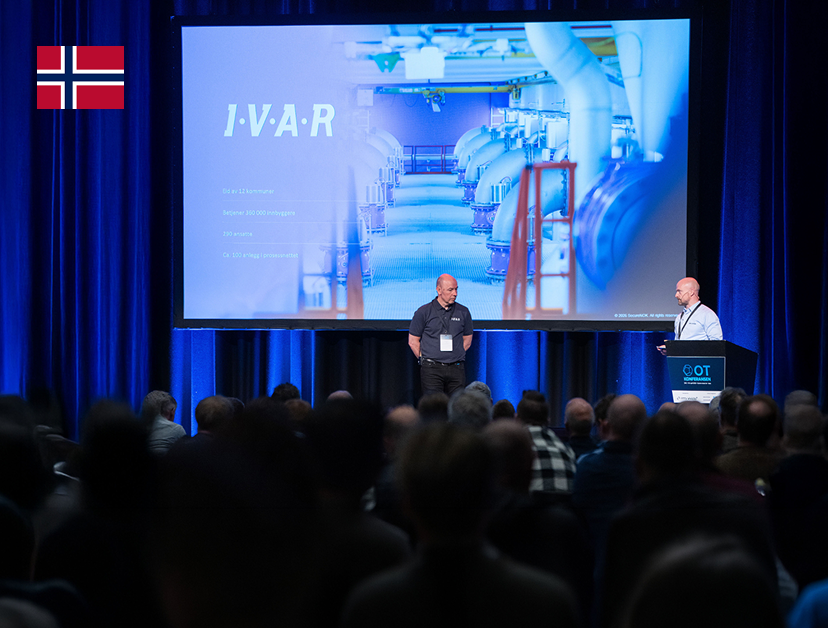
Full house as IVAR IKS shared its experiences with OT security
Interest in the webinar with IVAR IKS was greater than we had dared to hope. Through our October campaign on health checks for water and wastewater facilities, we are now making it easier for more organizations to take the same first step towards better overview and control of their OT environments.




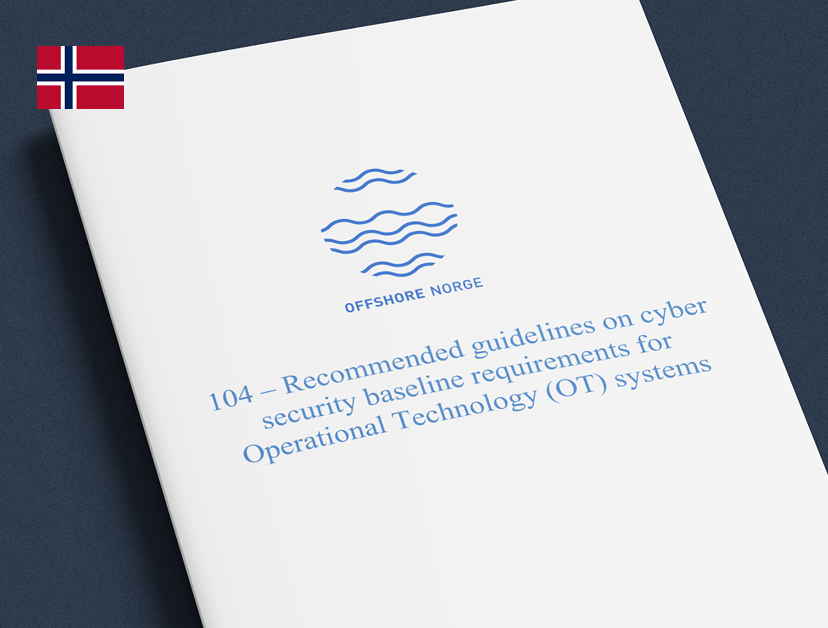
ON 104 has been updated: New requirements for safer and more robust operations on the Norwegian continental shelf
From 1 June 2026, the updated version of Offshore Norge Guideline 104 (ON 104 Rev. 7) applies – one of the most important frameworks for cybersecurity in operational technology (OT) in the petroleum industry.
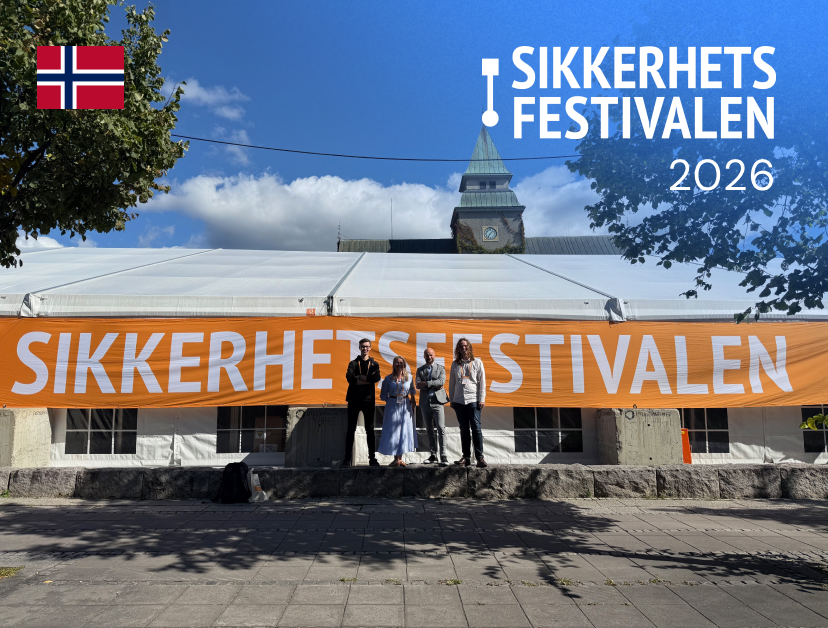

The Norwegian Food Safety Authority's new guide makes one thing clear: Waterworks must now take OT security seriously
The Norwegian Food Safety Authority (Mattilsynet) has now published the first official guide to the Digital Security Regulations for drinking water. It is an important milestone for Norwegian water supply – and a clear signal that the authorities are now stepping up work on digital security in the sector.


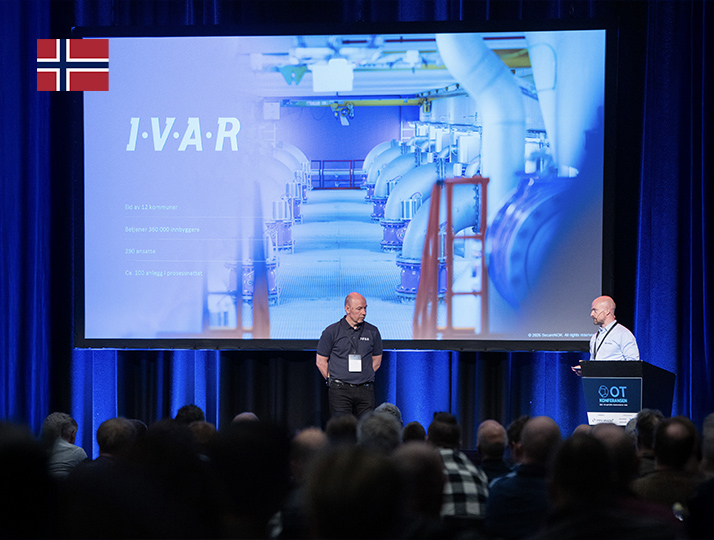
OT Konferansen shows the Nordics taking a leading role in OT security
Today, many industrial environments consist of industrial networks, virtual environments, Windows and Linux systems, remote access, patching and backup solutions, security tools, cloud services and integrations with IT.



OT security in the food industry starts with insight
As a project manager on OT security projects, I often encounter the same starting point at industrial companies: They know a great deal about production, processes and equipment – but far less about what the digital infrastructure actually looks like in practice.

Norwegian-developed OT security technology for industry and critical infrastructure
Norwegian industry is becoming increasingly digitalized. Production lines, process plants, energy systems and critical infrastructure are being connected more closely to modern IT systems, external suppliers and digital services. At the same time, there is a growing need for cybersecurity solutions actually developed for industrial environments.

Strong support for OT Konferansen 2026 – bringing together leading experts in Stavanger
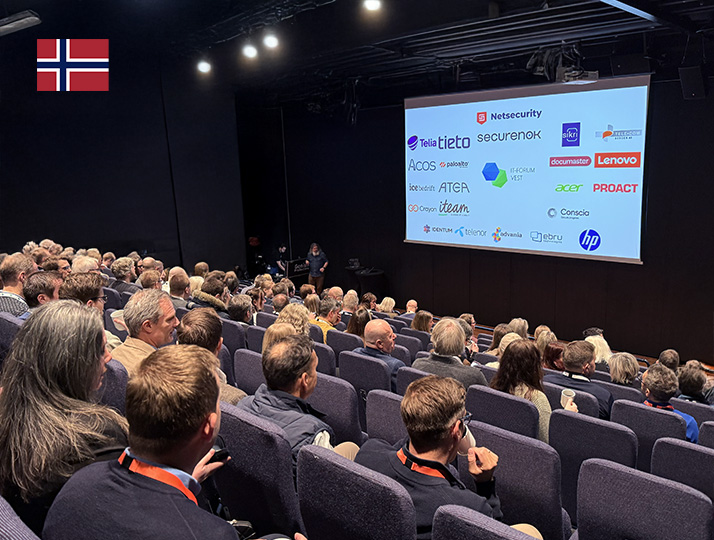
OT Konferansen 2026 takes place on 29 April in Stavanger, and this year's edition already stands out with a programme that brings together some of the most central players in OT security and industrial digitalization.
Growing need for control in complex automation environments in oil and gas
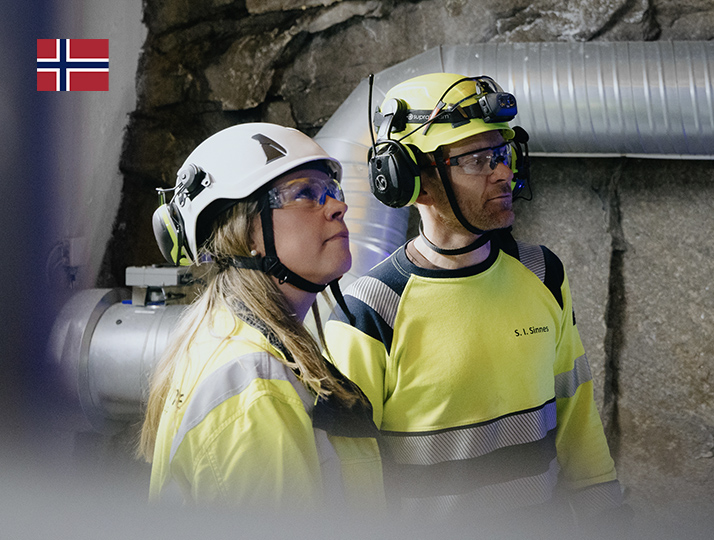
In recent years, the digitalization of the oil and gas industry has brought significant gains in efficiency, better data and greater flexibility. At the same time, this development has led to a significant increase in complexity – and therefore also in risk.

How to gain control of the OT environment in practice – experiences from IVAR
For IVAR IKS, stable operations are not just a goal – they are a prerequisite for society to function. As a provider of water and wastewater services to around 360,000 residents in Nord-Jæren, the organization manages critical infrastructure where the consequences of failure are immediate and extensive.

The Preparedness Year 2026: Are water and wastewater in Norwegian municipalities secure enough?
Municipal water supply is among the societal functions covered by the Digital Security Act. The Act entered into force on 1 October 2025 and sets basic requirements for digital security in organizations of particular importance to society. The regulations also place responsibility for digital security clearly with the organization's top management.




Stricter Security Requirements for Critical Services from 1 October 2025 under theDigital Security Act
O nFriday, 20 June, the Norwegian government decided in a Council of State meeting that the Digital Security Act will enter into force on 1 October 2025. At the same time, the Digital Security Regulation was adopted, entering into force concurrently with the Act.


Bremanger Breach: Lessons from a Norwegian Dam Hack
Earlier this year, unidentified hackers breached the control system of a Norwegian dam at Risevatnet, in Bremanger. The hackers discovered that the dam had a Human Machine Interface (HMI) exposed on the Internet and was able to gain access by exploiting a weak password.p
Digitalization: Opportunities and New Risks
Digitalization offers enormous opportunities for efficiency, but it also introduces new risks. When OT systems (Operational Technology) are connected to the internet, vulnerability to attacks increases—attacks that threaten not only data, but also lives, health, and critical societal functions.