

NEWS AND EVENTS
How to gain control of the OT environment in practice – experiences from IVAR
Author: Tor Ommund Ljosland
For IVAR IKS, stable operations are not just a goal – they are a prerequisite for society to function. As a provider of water and wastewater services to around 360,000 residents in Nord-Jæren, the organization manages critical infrastructure where the consequences of failure are immediate and extensive.
At the same time, the challenges are changing rapidly. The digitalization of OT environments brings greater efficiency and better control – but also new vulnerabilities. Systems that were once isolated are today closely integrated, connected to other networks and dependent on both internal and external parties.
This places entirely new demands on insight and control: not just over what you think exists in the environment, but over what is actually happening.
From assumptions to a need for insight
IVAR's starting point was a situation many municipalities will recognize. Good security measures had been established on the IT side, but there was less insight into the OT environments that actually control production.
There was an assumption that there might be blind spots and undetected risks, but without sufficient visibility it was hard to confirm this – or to understand the extent.

At the same time, the need was clear:
- A better overview of systems and communication
- The ability to detect unwanted activity early
- A more solid basis for prioritizing security measures
Traditional IT security solutions were not adapted to these needs. The OT environment had different requirements – both technically and operationally.
Establishing continuous visibility
To meet this need, continuous monitoring of the OT environment was established, with SNOK® from Securenok as a central component of the solution.
A crucial requirement was that this had to happen without affecting operations. The solution is therefore based on a passive approach, in which traffic and activity are monitored without intervening in IVAR IKS's process facilities.
This made it possible to:
- Gain visibility into communication between systems and devices
- Identify deviations from normal behaviour
- Uncover connections and dependencies that had not previously been documented
In addition, sensors were established on selected systems to reduce blind spots and provide better insight into parts of the environment that have traditionally been hard to monitor.
Integration with existing security work
A central part of the approach has been integrating OT security with the organization's other security work.
Through a connection to existing SOC services, OT does not become an isolated area, but part of the overall situational picture. This provides better interaction between IT and OT, and makes it easier to handle incidents across environments.
An experience many will recognize
IVAR's experiences are not unique – they are representative of a broader development in the municipal sector.
Many organizations have come a long way on the IT side, but still lack insight into the OT environments that control critical processes. This creates a gap between requirements and the actual ability to manage risk.
The most important lesson is therefore simple but crucial: the challenge is rarely a lack of measures – but a lack of insight. For municipalities working with water and wastewater, the first step is therefore not necessarily about doing more, but about understanding more.
Only when you have an overview of what is actually happening in your own systems can you also secure them in a targeted and effective way.
See what is actually happening in your municipality's OT environment
The experiences from IVAR IKS show what happens when you move from assumptions to fact-based insight. Our health check based on SNOK technology is a good first step on that journey. It gives municipalities the visibility they need into their own OT environment – so they can detect deviations, understand risk and prioritize the right measures.


See more, fear Less. Explore
OT cybersecurity insights.
Insights from Norway’s cybersecurity experts



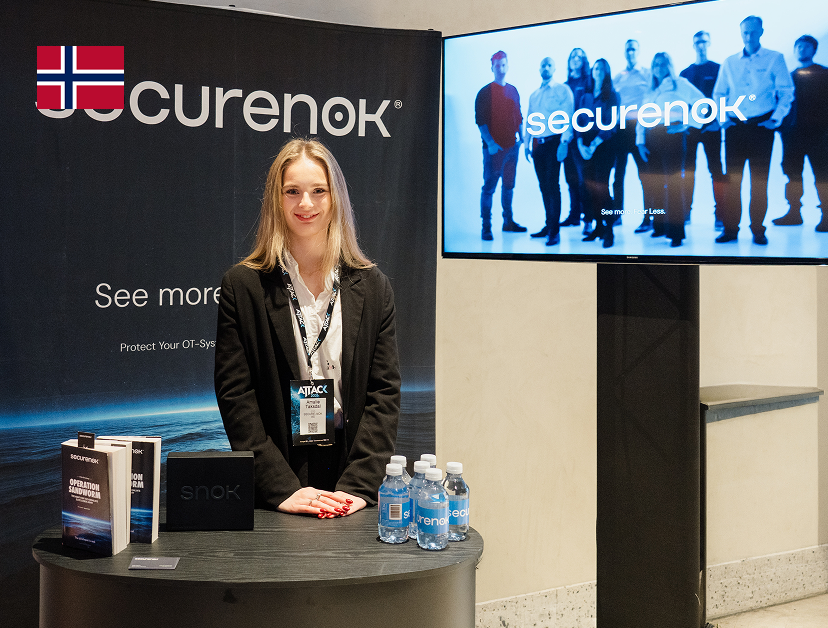
My first Attack conference: Golf, good conversations and a more serious backdrop
How do you present a cybersecurity company to potential customers while you are still learning about it yourself? I got to practise that when I attended my very first conference, the Attack conference, with SecureNOK on 13 October.

SNOK Health Check picks up speed – we are delivering OT overview after OT overview
What equipment is connected to the OT network, and who is communicating with whom? After several projects with the SNOK Health Check, I see how useful it is to get answers to these questions before deciding on the next security measure.
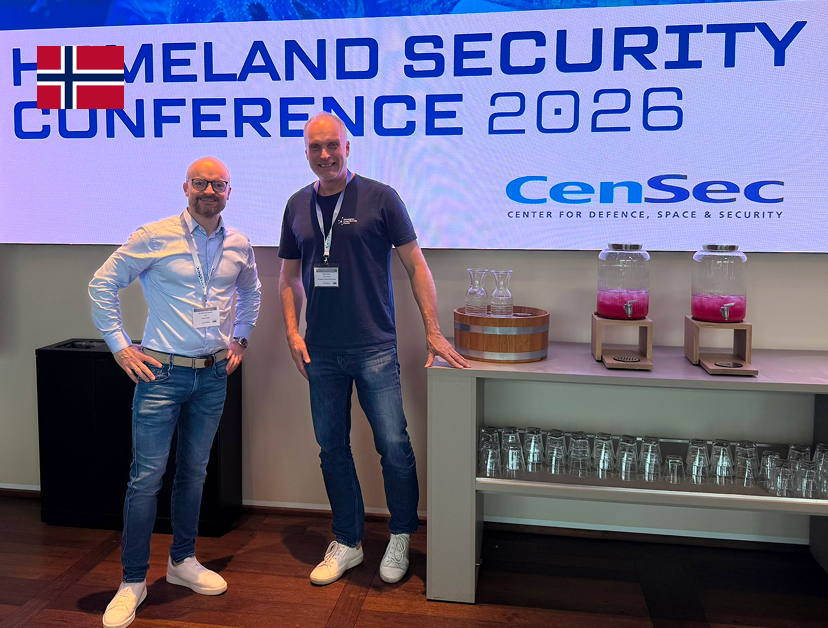
Water supply and critical infrastructure in focus at the Homeland Security Conference in Denmark
What does it take to keep society running when critical infrastructure is exposed to attacks and disruptions? This question was central when I attended the Homeland Security Conference in Copenhagen on 7 October with the Norwegian Cybersecurity Cluster.

Halfway through the OT Roadshow – time for the conversations that often have to wait
Trondheim, Bergen and Stavanger are done, and we are halfway through the OT Roadshow. For me, this is a valuable opportunity to look up from technology development and discuss security with those who know the everyday reality of industry.




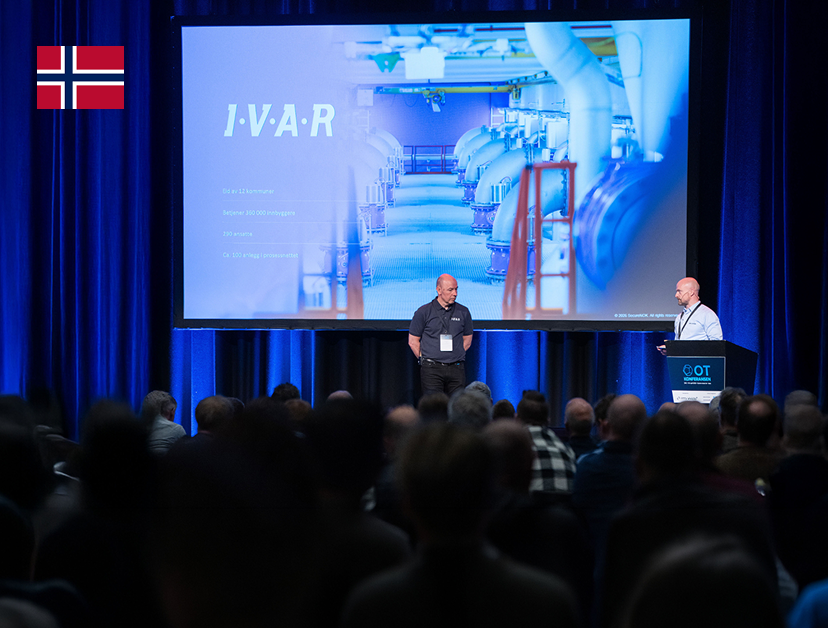
Full house as IVAR IKS shared its experiences with OT security
Interest in the webinar with IVAR IKS was greater than we had dared to hope. Through our October campaign on health checks for water and wastewater facilities, we are now making it easier for more organizations to take the same first step towards better overview and control of their OT environments.







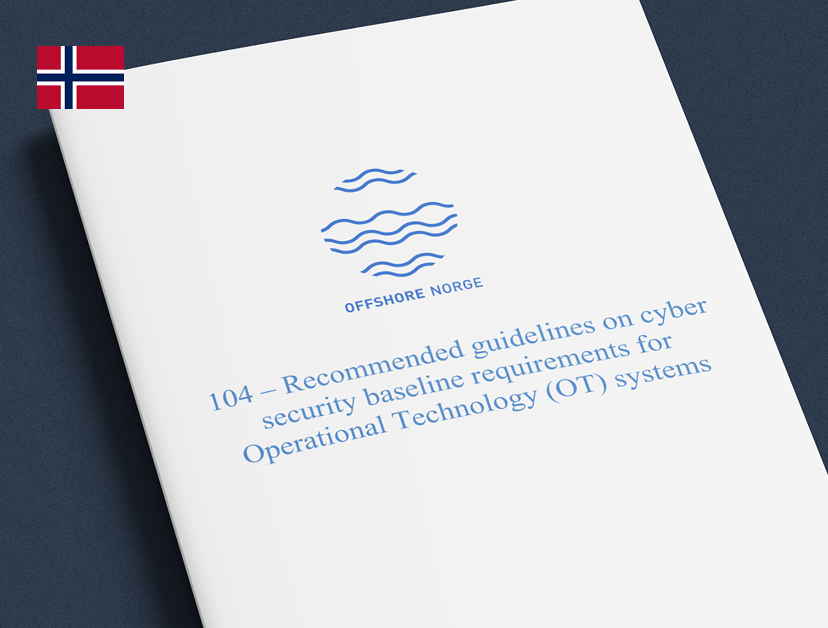
ON 104 has been updated: New requirements for safer and more robust operations on the Norwegian continental shelf
From 1 June 2026, the updated version of Offshore Norge Guideline 104 (ON 104 Rev. 7) applies – one of the most important frameworks for cybersecurity in operational technology (OT) in the petroleum industry.

The Norwegian Food Safety Authority's new guide makes one thing clear: Waterworks must now take OT security seriously
The Norwegian Food Safety Authority (Mattilsynet) has now published the first official guide to the Digital Security Regulations for drinking water. It is an important milestone for Norwegian water supply – and a clear signal that the authorities are now stepping up work on digital security in the sector.


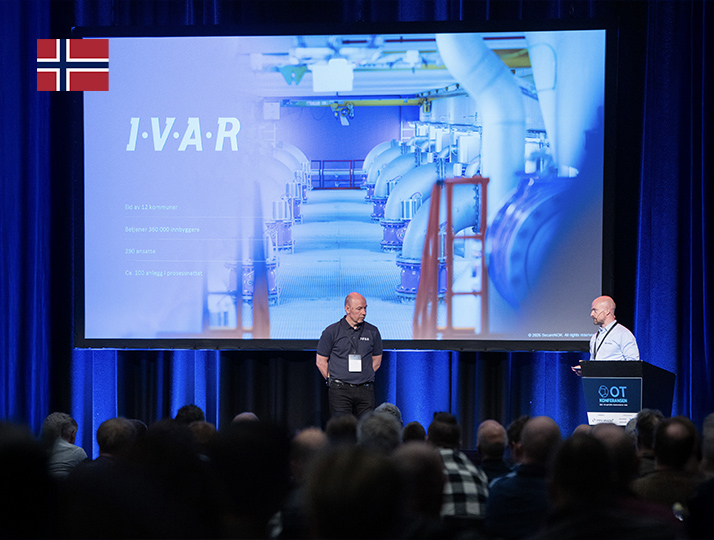
OT Konferansen shows the Nordics taking a leading role in OT security
Today, many industrial environments consist of industrial networks, virtual environments, Windows and Linux systems, remote access, patching and backup solutions, security tools, cloud services and integrations with IT.



OT security in the food industry starts with insight
As a project manager on OT security projects, I often encounter the same starting point at industrial companies: They know a great deal about production, processes and equipment – but far less about what the digital infrastructure actually looks like in practice.

Norwegian-developed OT security technology for industry and critical infrastructure
Norwegian industry is becoming increasingly digitalized. Production lines, process plants, energy systems and critical infrastructure are being connected more closely to modern IT systems, external suppliers and digital services. At the same time, there is a growing need for cybersecurity solutions actually developed for industrial environments.

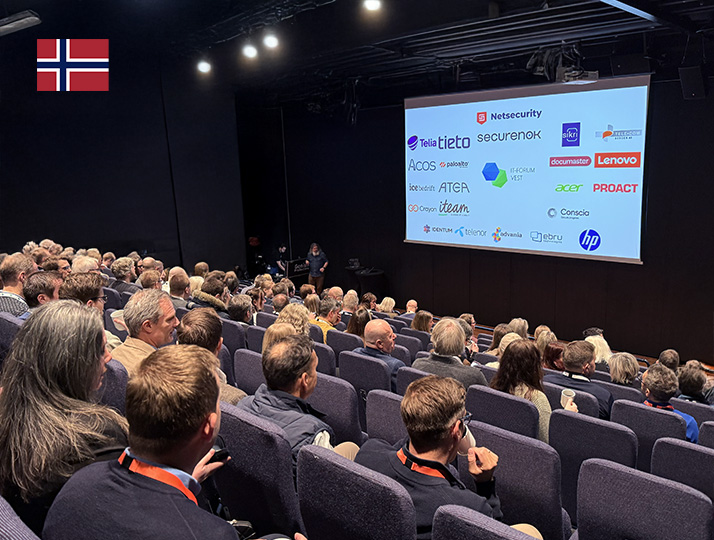
Strong support for OT Konferansen 2026 – bringing together leading experts in Stavanger
OT Konferansen 2026 takes place on 29 April in Stavanger, and this year's edition already stands out with a programme that brings together some of the most central players in OT security and industrial digitalization.
Growing need for control in complex automation environments in oil and gas
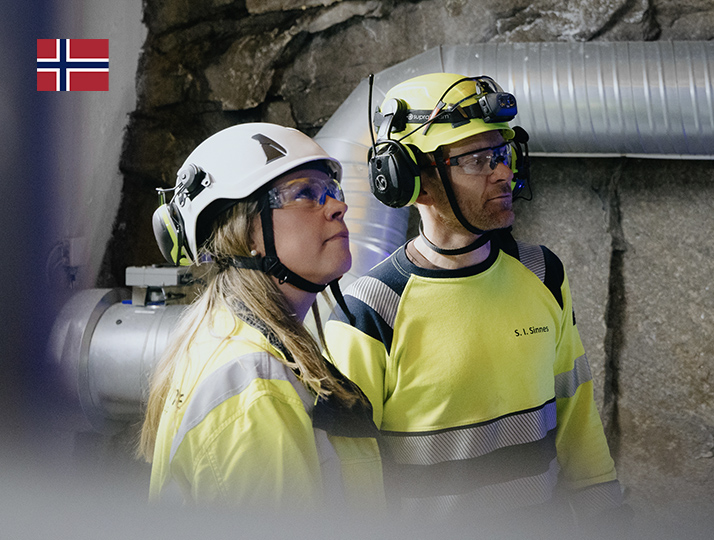
In recent years, the digitalization of the oil and gas industry has brought significant gains in efficiency, better data and greater flexibility. At the same time, this development has led to a significant increase in complexity – and therefore also in risk.

The Preparedness Year 2026: Are water and wastewater in Norwegian municipalities secure enough?
Municipal water supply is among the societal functions covered by the Digital Security Act. The Act entered into force on 1 October 2025 and sets basic requirements for digital security in organizations of particular importance to society. The regulations also place responsibility for digital security clearly with the organization's top management.




Stricter Security Requirements for Critical Services from 1 October 2025 under theDigital Security Act
O nFriday, 20 June, the Norwegian government decided in a Council of State meeting that the Digital Security Act will enter into force on 1 October 2025. At the same time, the Digital Security Regulation was adopted, entering into force concurrently with the Act.


Bremanger Breach: Lessons from a Norwegian Dam Hack
Earlier this year, unidentified hackers breached the control system of a Norwegian dam at Risevatnet, in Bremanger. The hackers discovered that the dam had a Human Machine Interface (HMI) exposed on the Internet and was able to gain access by exploiting a weak password.p

Digitalization: Opportunities and New Risks
Digitalization offers enormous opportunities for efficiency, but it also introduces new risks. When OT systems (Operational Technology) are connected to the internet, vulnerability to attacks increases—attacks that threaten not only data, but also lives, health, and critical societal functions.