

NEWS AND EVENTS
What does NIS2 require from owners of OT systems to become compliant?
The NIS 2 Directive is the European Union’s updated and strengthened framework for managing cybersecurity risks across critical and important service providers. It builds upon the foundation of the original NIS Directive (NIS1) but covers more sectors and incorporates key advancements to address the growing sophistication of cyber threats and the increasing interconnection of digital and industrial systems. By expanding its scope and enforcing harmonized cybersecurity standards, NIS 2 aims to enhance the resilience of essential services across the EU.
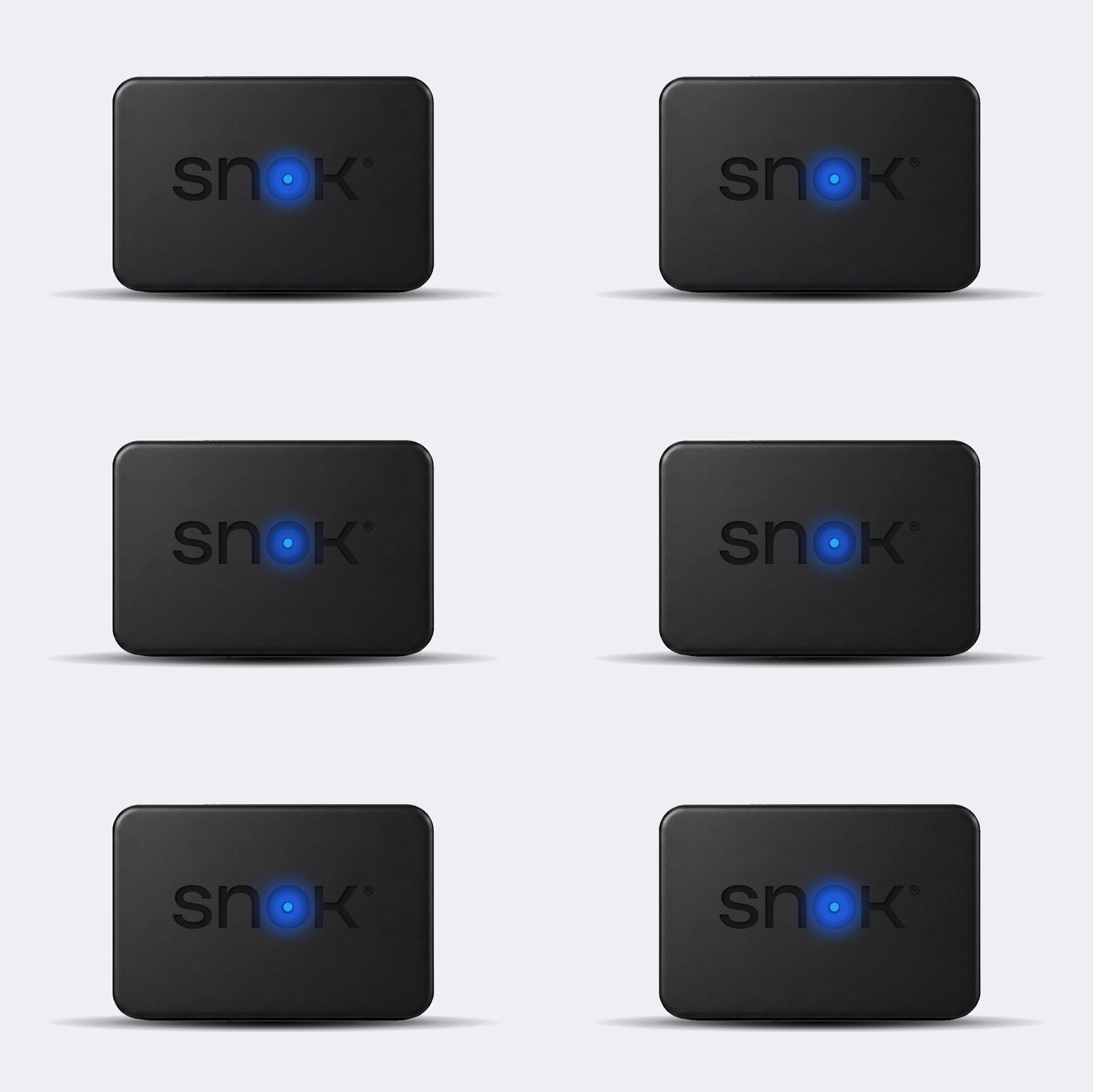
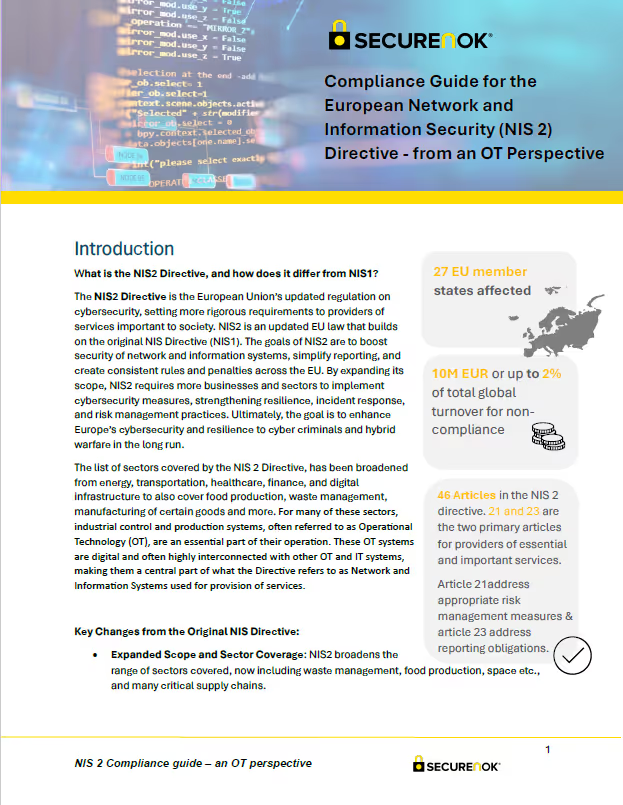
Secure-NOK has developed a NIS 2 Compliance Guide with a focus on Operational Technology (OT) systems. OT systems are critical for industrial and infrastructure operations, and make up key network and information systems for many of the sectors addressed by NIS2. The guide provides an overview of the directive and what it requires – It also outlines how Secure-NOK’s SNOK Cybersecurity Monitoring System and professional services support compliance with NIS 2 requirements.
By expanding its scope and enforcing harmonized cybersecurity standards, NIS 2 aims to enhance the resilience of essential services across the EU.
Key Updates in the NIS 2 Directive
Broader Sector Coverage: NIS 2 significantly expands the range of sectors subject to its regulations. In addition to traditional areas such as energy, healthcare, transportation, and finance, the directive now includes waste management, food production, manufacturing, postal services, and space activities. This broadened scope ensures that critical supply chains and services are comprehensively protected.
Stricter Security Requirements: NIS 2 mandates robust risk management practices, including vulnerability assessments, supply chain security measures, and detailed incident handling procedures. These requirements are designed to enhance proactive threat detection, mitigate risks, and ensure resilience against cyberattacks.
Unified Cybersecurity Standards Across the EU: By harmonizing cybersecurity measures across all member states, NIS 2 ensures consistent protection levels, streamlines compliance processes, and facilitates cross-border collaboration during incidents.
Enhanced Reporting Obligations: Organizations are required to notify relevant authorities of significant cyber incidents within strict timelines.
Emphasis on Supply Chain Security: The directive places specific focus on securing relationships with suppliers and third-party service providers, ensuring that vulnerabilities in the supply chain do not compromise overall cybersecurity.
Importance of OT in NIS 2
Operational Technology (OT) systems are an essential part of daily operation in many of the sectors covered by NIS 2, such as energy, transportation and manufacturing. Today, OT systems are increasingly interconnected with other systems and IT networks. This exposes OT systems for cyberthreats. However, OT environments are often more vulnerable to cyberattacks due to their reliance on legacy systems, limited integration of modern cybersecurity measures, and high sensitivity to downtime. Compared with traditional security measures for IT systems, OT systems require tailored cybersecurity solutions that prioritize operational continuity while addressing vulnerabilities.
Key considerations for OT systems under NIS 2 include:
- Adopting industry-specific standards like IEC 62443 and the NIST Cybersecurity Framework.
- Implementing monitoring and detection solutions that can identify anomalies in real-time.
- Securing legacy equipment and designing alternative measures when modern security features are incompatible

How Secure-NOK Supports NIS 2 Compliance
Secure-NOK provides specialized tools and services to help organizations meet the requirements of the NIS 2 Directive, particularly for OT environments.
SNOK Cybersecurity Monitoring System and related Professional Services::
- Real-Time Threat Detection: The SNOK system uses network, endpoint, and PLC sensors to provide comprehensive visibility into OT systems and detect early signs of cyber intrusions.
- Asset Inventory: Automatic identification and documentation of all devices in the network, including OT and IoT equipment.
- Anomaly Detection: Advanced analytics and configuration capabilities to identify deviations from normal behaviour.
- Risk Assessments and Vulnerability Analysis: Identify weaknesses in OT environments and recommend tailored mitigation strategies.
- Incident Response Support: Real-time monitoring, incident containment, and forensic analysis to address and recover from cyberattack.
Expert advisory services:
Secure-NOK Professional Services has developed a cybersecurity framework based on IEC 62443 and NIST Cybersecurity Framework tailored to securing OT system. The framework covers for example:
- Compliance Advisory: Assistance in aligning with standards such as IEC 62443, ISO 27001, and NIST Cybersecurity Framework.
- Business Continuity and Supply Chain Security: Monitoring and managing security aspects of relationships with suppliers and third-party service providers.
- Training and Cyber Hygiene: Customized training for IT and OT personnel to improve awareness and adherence to OT Security best practices.
- Security in acquisition, development and maintenance: Assistance in planning, developing requirements and follow-up of during procurement of production systems and networks.
The Secure-NOK framework can be used to create a security model and operational procedures to establish and maintain an appropriate security posture for OT systems over time.
Download the “NIS2 Compliance Guide – An OT Perspective” here to read more:

Insights from Norway’s cybersecurity experts



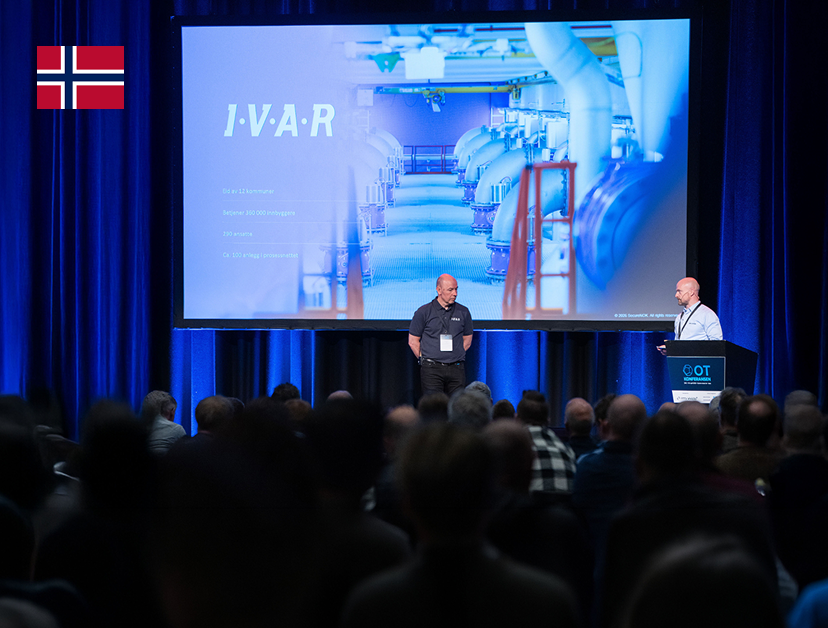
Fullt hus da IVAR IKS delte sine erfaringer med OT-sikkerhet
Interessen for webinaret med IVAR IKS ble større enn vi hadde våget å håpe på. Gjennom vår oktoberkampanje på helsesjekk i V/A-anlegg gjør vi det nå enklere for flere virksomheter å ta det samme første steget mot bedre oversikt og kontroll i egne OT-miljøer.







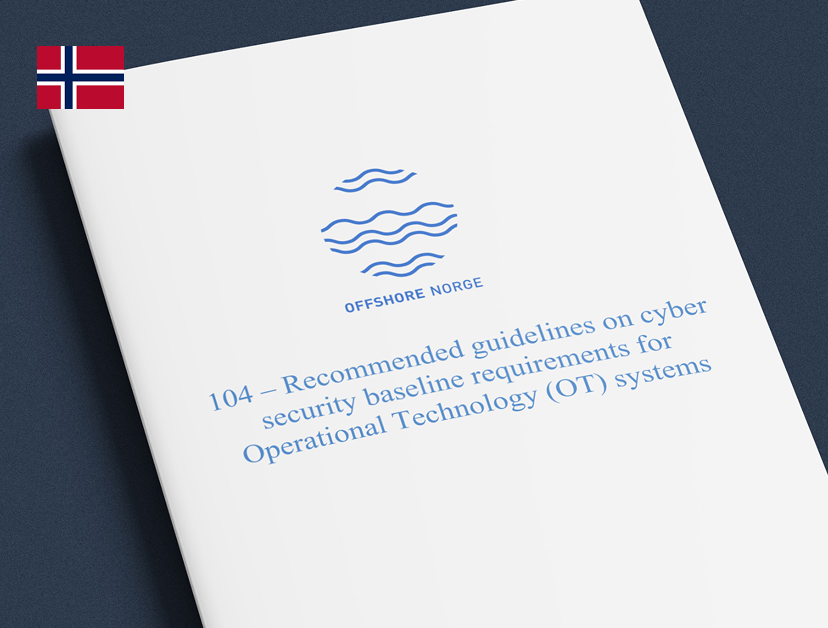


Mattilsynets nye veileder gjør én ting tydelig: Nå må vannverkene ta OT-sikkerhet på alvor
Mattilsynet har nå publisert den første offisielle veilederen til digitalsikkerhetsforskriften for drikkevann. Det er en viktig milepæl for norsk vannforsyning — og et tydelig signal om at myndighetene nå intensiverer arbeidet med digital sikkerhet i sektoren.





OT-sikkerhet i matindustrien starter med innsikt
Som prosjektleder i OT-sikkerhetsprosjekter møter jeg ofte det samme utgangspunktet hos industribedrifter: Man vet mye om produksjonen, prosessene og utstyret – men langt mindre om hvordan den digitale infrastrukturen faktisk ser ut i praksis.

Norskutviklet OT-sikkerhetsteknologi for industri og kritisk infrastruktur
Norsk industri blir stadig mer digitalisert. Produksjonslinjer, prosessanlegg, energisystemer og kritisk infrastruktur kobles tettere sammen med moderne IT-systemer, eksterne leverandører og digitale tjenester. Samtidig øker behovet for cybersikkerhetsløsninger som faktisk er utviklet for industrielle miljøer.

Sterk oppslutning rundt OT-konferansen 2026 – samler ledende fagmiljøer i Stavanger
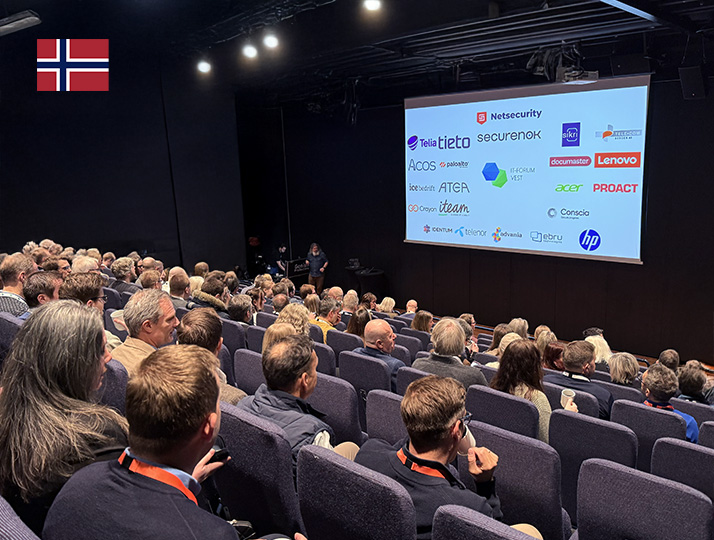
OT-konferansen 2026 går av stabelen 29. april i Stavanger, og årets utgave peker seg allerede ut med et program som samler noen av de mest sentrale aktørene innen OT-sikkerhet og industriell digitalisering.
Økt behov for kontroll i komplekse automasjonsmiljøer i olje og gass
Digitaliseringen av olje- og gassindustrien har de siste årene gitt betydelige gevinster i form av effektivisering, bedre datagrunnlag og økt fleksibilitet. Samtidig har utviklingen ført til en betydelig økning i kompleksitet – og dermed også i risiko.

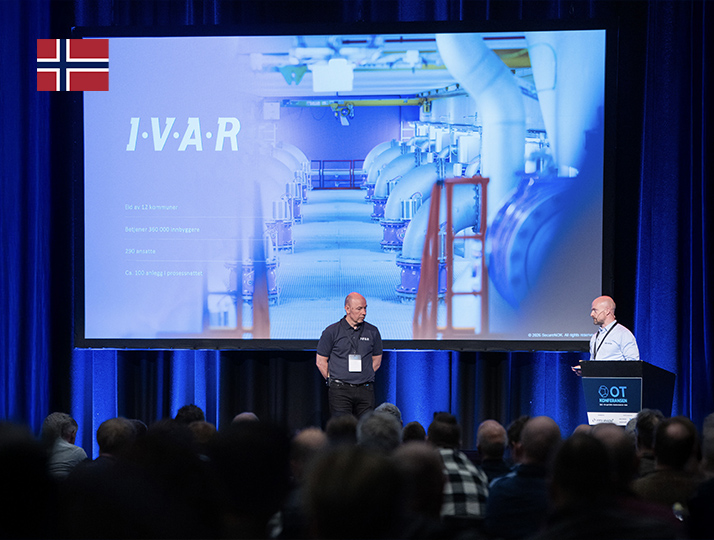
Hvordan få kontroll på OT-miljøet i praksis – erfaringer fra IVAR
For IVAR IKS er stabil drift ikke bare et mål – det er en forutsetning for at samfunnet skal fungere. Som leverandør av vann- og avløpstjenester til rundt 360 000 innbyggere på Nord-Jæren, forvalter virksomheten kritisk infrastruktur der konsekvensene av svikt er umiddelbare og omfattende.

Beredskapsåret 2026: Er vann og avløp i norske kommuner godt nok sikret?
Kommunal vannforsyning er blant samfunnsfunksjonene som omfattes av digitalsikkerhetsloven. Loven trådte i kraft 1. oktober 2025 og stiller grunnleggende krav til digital sikkerhet i virksomheter med særlig betydning for samfunnet. Regelverket innebærer også at ansvaret for digital sikkerhet er tydelig plassert hos virksomhetens øverste ledelse.




Stricter Security Requirements for Critical Services from 1 October 2025 under theDigital Security Act
O nFriday, 20 June, the Norwegian government decided in a Council of State meeting that the Digital Security Act will enter into force on 1 October 2025. At the same time, the Digital Security Regulation was adopted, entering into force concurrently with the Act.

Bremanger Breach: Lessons from a Norwegian Dam Hack
Earlier this year, unidentified hackers breached the control system of a Norwegian dam at Risevatnet, in Bremanger. The hackers discovered that the dam had a Human Machine Interface (HMI) exposed on the Internet and was able to gain access by exploiting a weak password.p
Digitalization: Opportunities and New Risks
Digitalization offers enormous opportunities for efficiency, but it also introduces new risks. When OT systems (Operational Technology) are connected to the internet, vulnerability to attacks increases—attacks that threaten not only data, but also lives, health, and critical societal functions.