

NEWS AND EVENTS
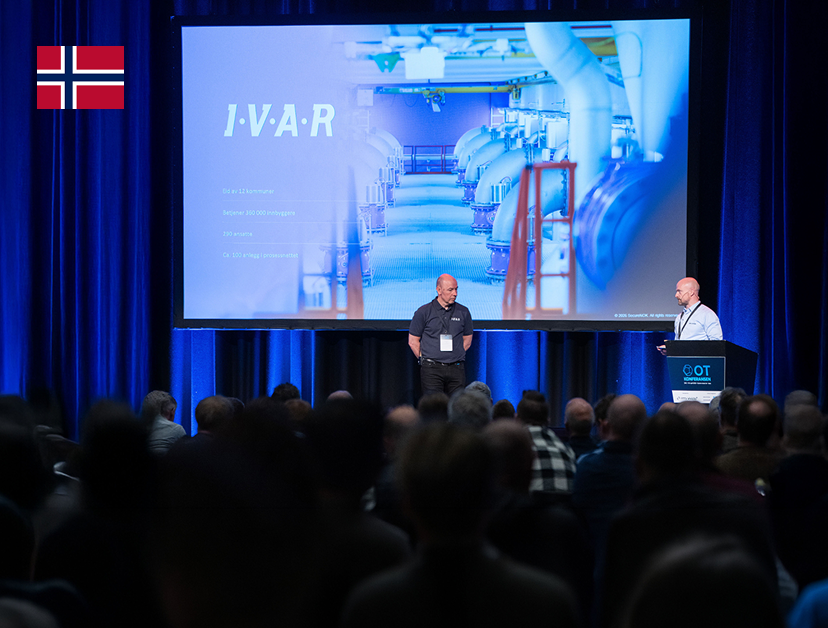
Industrial Security Conference 2025
1. The Key Theme: From Words to Action in OT Security
This year’s conference highlighted that many organizations have made significant progress in terms of plans, policies, and documentation, yet there remains a gap between what is planned and what is actually implemented in OT environments.
Several of the incidents discussed involved so-called “test attacks” targeting Nordic organizations—methods used by threat actors to assess detection and response capabilities. This is happening in parallel with the rapid adoption of A Itools, which make it far easier to exploit legacy vulnerabilities in OT systems.
The message was clear: it is time for concrete action—not more documentation.
2. Where Does the Organization Really Stand Today?
Many organizations experience cyber attacks, but very few speak openly about them. This makes it difficult to learn from past incidents and contributes to the same mistakes being repeated.
The conference also highlighted a concerning rise in “living off the land” attacks, where threat actors remain hidden within systems for weeks, months, or even years without being detected.
In addition, several persistent misconceptions continue to exist across the industry:
- “Our systems are not connected to the internet.”
- “A firewall is sufficient.”
- “We are not an attractive target.”
These myths were a recurring theme in many of the professional discussions.
.avif)
3. A Thought-Provoking Look at the Future of the Energy Sector
One of the most compelling presentations came from DNV, which shared projections for global energy consumption.According to their analysis, consumption is likely to peak around 2036—not because demand decreases, but because we become more efficient and adopt smarter technologies.
Greater efficiency means more digitalization, and more digitalization means new attack surfaces. DNV also presented a statistic that stood out: 62% of Norwegians identify cyber threats as their greatest concern. This reflects a growing awareness of how critical technology has become to maintaining societal stability and security.
Another striking example came from Ukraine, where parts of the power grid are being rebuilt as software-defined solutions. This illustrates the profound transformation underway in energy systems—and the critical importance of security in the infrastructure that holds society together.
4. The Biggest Challenges in OT Monitoring
The most commonly cited challenge among conference participants was the gap between IT and OT. IT environments typically have maturity, established processes, and clearly defined roles. OT environments, on the other hand, are responsible for continuous operations, safety, and maintaining systems that are often decade sold.
When these perspectives fail to align, it can lead to:
- Limited visibility into what is actually happening in OT networks
- Security measures that do not fit operational realities
- Unclear responsibilities during incidents
This represents one of the greatest opportunities going forward: making OT security an integrated part of the organization’s overall security strategy.
5. How SNOK® Addresses These Challenges
In OT environments, it is often not possible to isolate or shut down equipment when an attack is suspected—the consequences can be severe.
This makes continuous monitoring and passive detection essential.
SNOK® is specifically designed for such environments: a passive monitoring solution that provides visibility into industrial networks without disrupting operations. The solution is built to serve as a shared tool for both IT and OT teams.
6. Misconceptions That Increase Risk
A recurring misconception in the industry is that OT systems can—or should—be patched to the latest versions. The reality is that many systems are 20–30 years old and cannot be updated without introducing a risk of failure or downtime.
As a result, OT security must focus on living with vulnerabilities and protecting the environment through other means. Monitoring and detection therefore become critical components of an effective security strategy.

7. One Clear Recommendation: Start the Journey,Not the Project
Regulatory frameworks such as NIS2 often make organizations feel they must be “fully compliant” before taking action. The most important message from the conference was the opposite:
- Start by gaining visibility
- Set realistic milestones
- Improve step by step
This is a journey—not a one-off project.
8. TheHighlight: The Nordic Professional Community
For Tor Ommund, the greatest highlight of the conference was the many conversations with professionals from across the Nordic region. He describes a community characterized by a strong willingness to share knowledge, learn from one another, and collaborate.
This is particularly important as the Nordic region holds significant expertise and is well positioned to compete with much larger international players.
9. The WayForward: More Sharing, More Collaboration
The conference revealed a clear need for more arenas dedicated to experience sharing in OT security—spaces where both failures and successes can be openly discussed, and where learning can take place across industries and national borders.
Secure-NOK will continue to play an active role in this effort, contributing hands-on experience from real-world monitoring, detection, and risk management, with the goal of helping build a safer and more resilient digital society.

Insights from Norway’s cybersecurity experts



Fullt hus da IVAR IKS delte sine erfaringer med OT-sikkerhet
Interessen for webinaret med IVAR IKS ble større enn vi hadde våget å håpe på. Gjennom vår oktoberkampanje på helsesjekk i V/A-anlegg gjør vi det nå enklere for flere virksomheter å ta det samme første steget mot bedre oversikt og kontroll i egne OT-miljøer.









Mattilsynets nye veileder gjør én ting tydelig: Nå må vannverkene ta OT-sikkerhet på alvor
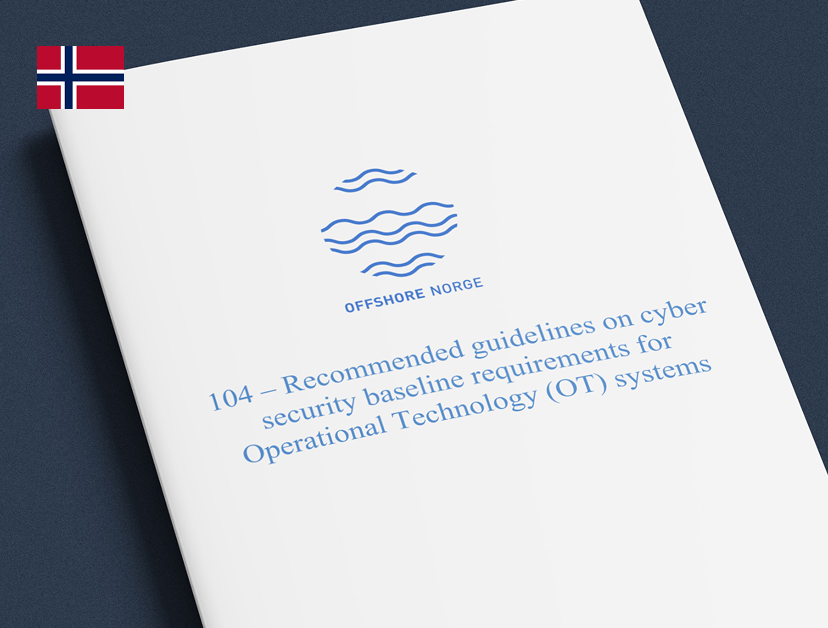
Mattilsynet har nå publisert den første offisielle veilederen til digitalsikkerhetsforskriften for drikkevann. Det er en viktig milepæl for norsk vannforsyning — og et tydelig signal om at myndighetene nå intensiverer arbeidet med digital sikkerhet i sektoren.





OT-sikkerhet i matindustrien starter med innsikt
Som prosjektleder i OT-sikkerhetsprosjekter møter jeg ofte det samme utgangspunktet hos industribedrifter: Man vet mye om produksjonen, prosessene og utstyret – men langt mindre om hvordan den digitale infrastrukturen faktisk ser ut i praksis.

Norskutviklet OT-sikkerhetsteknologi for industri og kritisk infrastruktur
Norsk industri blir stadig mer digitalisert. Produksjonslinjer, prosessanlegg, energisystemer og kritisk infrastruktur kobles tettere sammen med moderne IT-systemer, eksterne leverandører og digitale tjenester. Samtidig øker behovet for cybersikkerhetsløsninger som faktisk er utviklet for industrielle miljøer.

Sterk oppslutning rundt OT-konferansen 2026 – samler ledende fagmiljøer i Stavanger
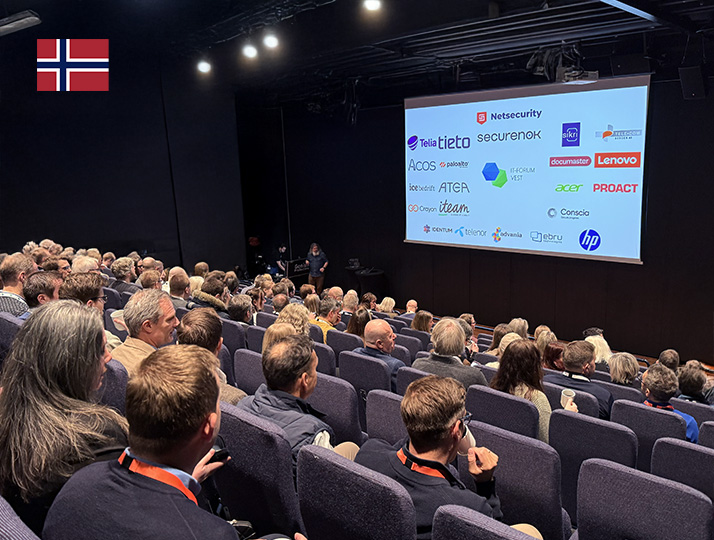
OT-konferansen 2026 går av stabelen 29. april i Stavanger, og årets utgave peker seg allerede ut med et program som samler noen av de mest sentrale aktørene innen OT-sikkerhet og industriell digitalisering.
Økt behov for kontroll i komplekse automasjonsmiljøer i olje og gass
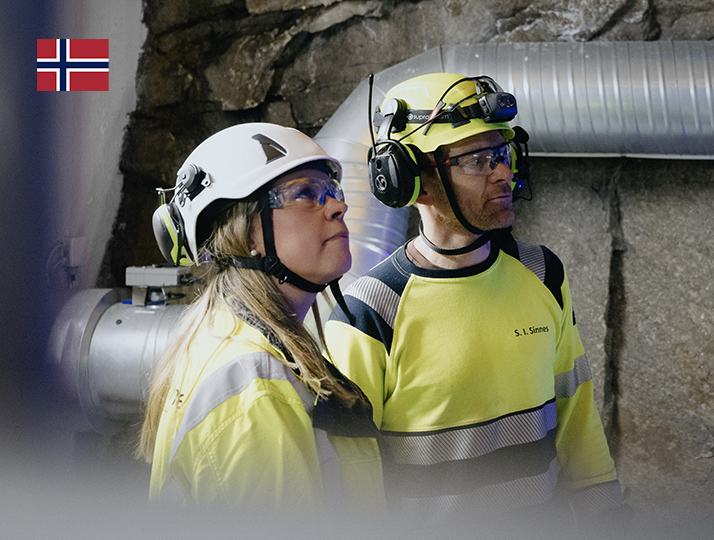
Digitaliseringen av olje- og gassindustrien har de siste årene gitt betydelige gevinster i form av effektivisering, bedre datagrunnlag og økt fleksibilitet. Samtidig har utviklingen ført til en betydelig økning i kompleksitet – og dermed også i risiko.

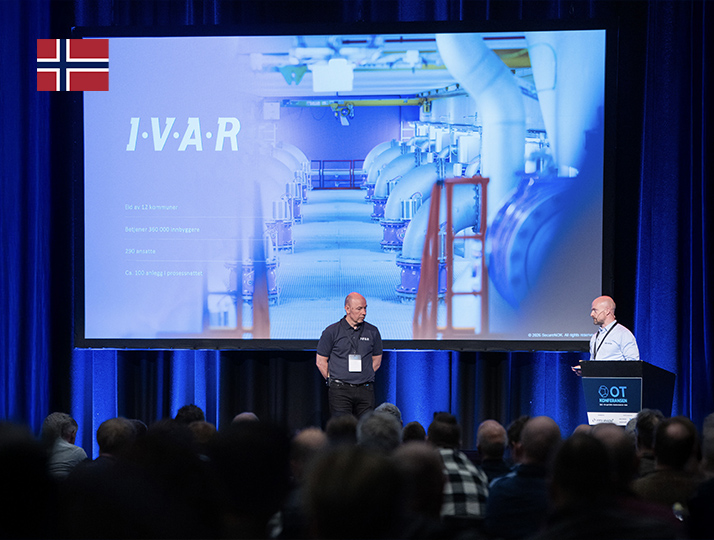
Hvordan få kontroll på OT-miljøet i praksis – erfaringer fra IVAR
For IVAR IKS er stabil drift ikke bare et mål – det er en forutsetning for at samfunnet skal fungere. Som leverandør av vann- og avløpstjenester til rundt 360 000 innbyggere på Nord-Jæren, forvalter virksomheten kritisk infrastruktur der konsekvensene av svikt er umiddelbare og omfattende.

Beredskapsåret 2026: Er vann og avløp i norske kommuner godt nok sikret?
Kommunal vannforsyning er blant samfunnsfunksjonene som omfattes av digitalsikkerhetsloven. Loven trådte i kraft 1. oktober 2025 og stiller grunnleggende krav til digital sikkerhet i virksomheter med særlig betydning for samfunnet. Regelverket innebærer også at ansvaret for digital sikkerhet er tydelig plassert hos virksomhetens øverste ledelse.



Stricter Security Requirements for Critical Services from 1 October 2025 under theDigital Security Act
O nFriday, 20 June, the Norwegian government decided in a Council of State meeting that the Digital Security Act will enter into force on 1 October 2025. At the same time, the Digital Security Regulation was adopted, entering into force concurrently with the Act.


Bremanger Breach: Lessons from a Norwegian Dam Hack
Earlier this year, unidentified hackers breached the control system of a Norwegian dam at Risevatnet, in Bremanger. The hackers discovered that the dam had a Human Machine Interface (HMI) exposed on the Internet and was able to gain access by exploiting a weak password.p

Digitalization: Opportunities and New Risks
Digitalization offers enormous opportunities for efficiency, but it also introduces new risks. When OT systems (Operational Technology) are connected to the internet, vulnerability to attacks increases—attacks that threaten not only data, but also lives, health, and critical societal functions.