

NEWS AND EVENTS
Stricter Security Requirements for Critical Services from 1 October 2025 under the Digital Security Act
O nFriday, 20 June, the Norwegian government decided in a Council of State meeting that the Digital Security Act will enter into force on 1 October 2025. At the same time, the Digital Security Regulation was adopted, entering into force concurrently with the Act.
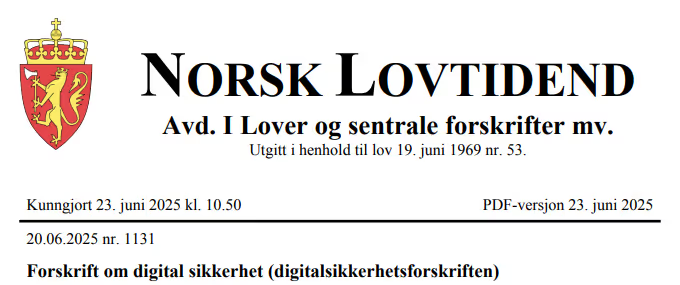
TheDigital Security Act is the final piece of Norway’s implementation of the EU’s NIS 1 Directive. It applies to the sectors of energy, transport, healthcare, water supply, banking, financial markets, and digital infrastructure. The purpose of the Act is to ensure that organizations of importance to Norwegian society maintain sound, systematic, and risk-based management of digital security.
TheRegulation provides clear guidance on what constitutes a minimum level of measures required to achieve adequate security.
Is Your Organization Ready?
The main focus of the Act is the obligation for organizations to ensure an adequate level of security. This responsibility is placed particularly on senior management, who must ensure that clear instructions, routines, and procedures are in place for managing digital security.
Many of the sectors now subject to the Digital Security Act have undergone significant digital transformation. Drinking water supply is a good example.Today, control systems and production equipment are largely digital and interconnected within organizational networks. These digital systems are critical to the delivery of clean drinking water to the population.
While such systems have always been subject to requirements for safe and reliable operation, industry standards for digital security measures have historically been vague and voluntary.
With the new Digital Security Regulation, these systems are now subject to specific and enforceable requirements for digital security.
Where to Begin?
The first step is to assess whether your organization falls within the scope of the Act. The Digital Security Regulation provides detailed guidance with clear, quantitative threshold values. For many organizations, it will be unambiguous whether they are covered or not.
Inaddition, the regulation allows the responsible sector authority or theNorwegian National Security Authority (NSM) to decide that the Act shall also apply to organizations outside the formal scope.
Ifan organization determines that it is covered by the Act, it must promptly report relevant information to NSM and the appropriate supervisory authority.
Step two is to conduct a gap analysis to assess how the organization currently complies with the requirements of theRegulation. Any identified gaps must be addressed—and time will pass quickly leading up to implementation.
Prevention and a Risk-Based Approach
Inaddition to emphasizing the ability to manage security incidents, theRegulation highlights the importance of prevention through a risk-based approach. By continuously identifying and addressing risk areas, organizations can prioritize resources effectively and reduce their vulnerability to potential threats.
This approach enables organizations to stay ahead of developments rather than merely reacting to incidents after they occur. It should also be noted that theRegulation imposes notification requirements for incidents, along with a corresponding sanctions regime for organizations that fail to comply with the law.
Norway must build a strong security culture across sectors to meet an increasingly serious and complex threat landscape.
Structure of the Regulation
The requirements of the Regulation for providers of critical services are broadly divided into the following categories:
- Requirements for security management systems and risk management systems
- Requirements for specific security measures
- Requirements for incident handling and preparedness
- Requirements for supplier and third-party follow-up
The specific security measures are further divided into four categories:
- Organizational measures
- Technological measures
- Physical measures
- Personnel-related measures
For technological and physical measures, the Regulation specifies a list of minimum requirements to protect networks and information systems. While such concrete technical requirements may risk becoming outdated as technology evolves, the benefit is that they establish a clear baseline level of security that organizations can adhere to.
SecurityMonitoring Is a Mandatory Requirement
Among the key requirements of the proposed Regulation is the need for security monitoring of networks and information systems for the purpose of detecting incidents. This is a minimum requirement to enable early detection and effective handling of security incidents.
To ensure that unwanted events are managed in time, monitoring should be continuous and directly linked to the incident management process, enabling organizations to respond to threats in near real time.
Security monitoring is not optional—it is mandatory.
The Way Forward
The proposed Digital Security Regulation represents a significant advancement in the protection of Norway’s digital infrastructure. However, many Norwegian organizations outside the sectors specified in the Digital Security Act face an equally strong need to protect their services against digital risk.
Examples include:
- Actors within relevant sectors but outside the scope of the EEA Agreement—for example, organizations operating on theNorwegian continental shelf
- Organizations subject to the Security Act
- Organizations operating in sectors covered by the NIS2 Directive
- Companies in other sectors that consider their networks and information systems critical to their operations
These organizations should also view the Regulation’s clear requirements for both preventive measures and incident response capabilities as a strong signal of the security level Norwegian organizations should aim to achieve.
Sectors subject to the EU’s NIS2Directive should prepare for the fact that this regulatory framework is likely to apply to them in the future.
For us at Secure-NOK, this underscores the importance of network and information system monitoring as an indispensable component of a comprehensive security strategy.

Insights from Norway’s cybersecurity experts



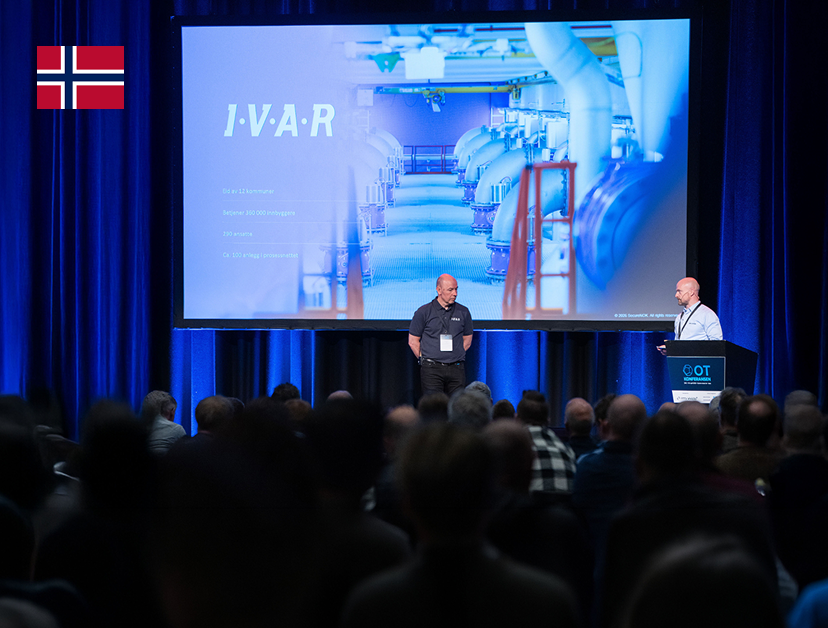
Fullt hus da IVAR IKS delte sine erfaringer med OT-sikkerhet
Interessen for webinaret med IVAR IKS ble større enn vi hadde våget å håpe på. Gjennom vår oktoberkampanje på helsesjekk i V/A-anlegg gjør vi det nå enklere for flere virksomheter å ta det samme første steget mot bedre oversikt og kontroll i egne OT-miljøer.









Mattilsynets nye veileder gjør én ting tydelig: Nå må vannverkene ta OT-sikkerhet på alvor
Mattilsynet har nå publisert den første offisielle veilederen til digitalsikkerhetsforskriften for drikkevann. Det er en viktig milepæl for norsk vannforsyning — og et tydelig signal om at myndighetene nå intensiverer arbeidet med digital sikkerhet i sektoren.





OT-sikkerhet i matindustrien starter med innsikt
Som prosjektleder i OT-sikkerhetsprosjekter møter jeg ofte det samme utgangspunktet hos industribedrifter: Man vet mye om produksjonen, prosessene og utstyret – men langt mindre om hvordan den digitale infrastrukturen faktisk ser ut i praksis.

Norskutviklet OT-sikkerhetsteknologi for industri og kritisk infrastruktur
Norsk industri blir stadig mer digitalisert. Produksjonslinjer, prosessanlegg, energisystemer og kritisk infrastruktur kobles tettere sammen med moderne IT-systemer, eksterne leverandører og digitale tjenester. Samtidig øker behovet for cybersikkerhetsløsninger som faktisk er utviklet for industrielle miljøer.

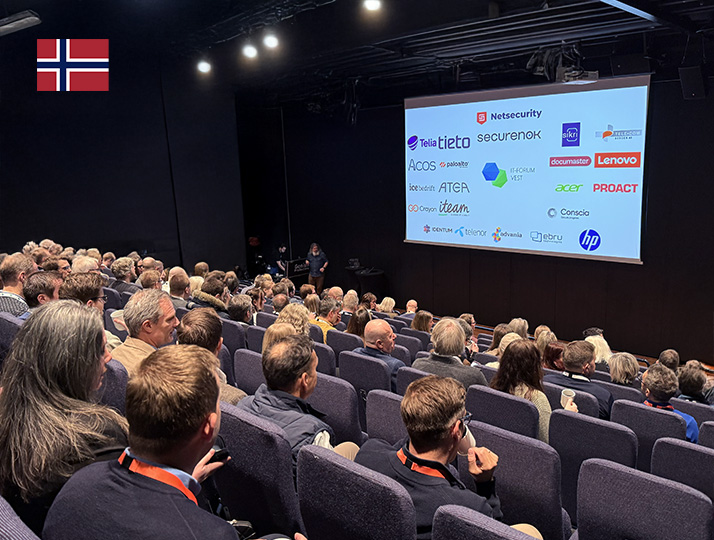
Sterk oppslutning rundt OT-konferansen 2026 – samler ledende fagmiljøer i Stavanger
OT-konferansen 2026 går av stabelen 29. april i Stavanger, og årets utgave peker seg allerede ut med et program som samler noen av de mest sentrale aktørene innen OT-sikkerhet og industriell digitalisering.
Økt behov for kontroll i komplekse automasjonsmiljøer i olje og gass
Digitaliseringen av olje- og gassindustrien har de siste årene gitt betydelige gevinster i form av effektivisering, bedre datagrunnlag og økt fleksibilitet. Samtidig har utviklingen ført til en betydelig økning i kompleksitet – og dermed også i risiko.

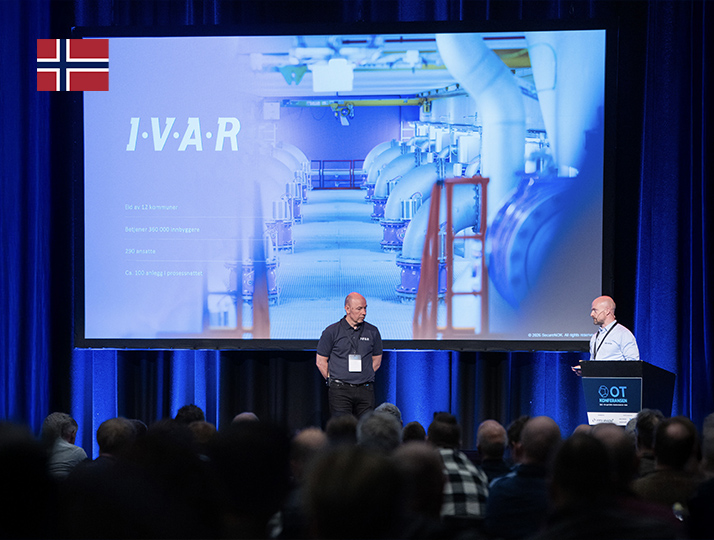
Hvordan få kontroll på OT-miljøet i praksis – erfaringer fra IVAR
For IVAR IKS er stabil drift ikke bare et mål – det er en forutsetning for at samfunnet skal fungere. Som leverandør av vann- og avløpstjenester til rundt 360 000 innbyggere på Nord-Jæren, forvalter virksomheten kritisk infrastruktur der konsekvensene av svikt er umiddelbare og omfattende.

Beredskapsåret 2026: Er vann og avløp i norske kommuner godt nok sikret?
Kommunal vannforsyning er blant samfunnsfunksjonene som omfattes av digitalsikkerhetsloven. Loven trådte i kraft 1. oktober 2025 og stiller grunnleggende krav til digital sikkerhet i virksomheter med særlig betydning for samfunnet. Regelverket innebærer også at ansvaret for digital sikkerhet er tydelig plassert hos virksomhetens øverste ledelse.





Bremanger Breach: Lessons from a Norwegian Dam Hack
Earlier this year, unidentified hackers breached the control system of a Norwegian dam at Risevatnet, in Bremanger. The hackers discovered that the dam had a Human Machine Interface (HMI) exposed on the Internet and was able to gain access by exploiting a weak password.p
Digitalization: Opportunities and New Risks
Digitalization offers enormous opportunities for efficiency, but it also introduces new risks. When OT systems (Operational Technology) are connected to the internet, vulnerability to attacks increases—attacks that threaten not only data, but also lives, health, and critical societal functions.