

NEWS AND EVENTS
Growing need for control in complex automation environments in oil and gas.
Author: Nina Hesby Tvedt
In recent years, the digitalization of the oil and gas industry has brought significant gains in efficiency, better data and greater flexibility. At the same time, this development has led to a significant increase in complexity – and therefore also in risk.
This was a central theme at EnergyWorld 2026 in Stavanger, where SecureNOK took part together with Siemens Energy.
Growing complexity challenges control
Modern automation environments on the Norwegian continental shelf are characterized by a high degree of integration. Systems that were once isolated are today closely connected – both within facilities and to external suppliers and systems. This increases efficiency, but also makes it harder to maintain an overview. It can be challenging to retain full control over the systems' security exposure, vulnerabilities and integrity. At the same time, we know that production on the Norwegian shelf is an attractive target for actors who do not wish us well. Today's threat landscape means we must take into account that these threat actors are actively trying to strike Norwegian oil and gas activity.
Typical challenges that recur in modern integrated automation environments are:
· Data is spread across systems
· There is no unified “single source of truth”
· Reporting is manual and fragmented
· Limited insight into status and changes at lower levels (PLC)
· Lack of historical and trend data
The consequence is that organizations often have a lot of data – but limited understanding.

From isolated tools to integrated insight
An important realization being highlighted in the industry is that operational integrity cannot be ensured through standalone tools alone.
Traditional security solutions and monitoring technology often provide insight into parts of the environment, but not the whole. This creates blind spots and makes it difficult to understand connections between events.
Meeting this requires a more integrated approach, in which data from different sources is collected and analyzed together.
This involves:
· Continuous monitoring of network traffic
· Insight into activity on endpoints
· Visibility into status and changes in control systems
The goal is to understand what is actually happening at the facility, so you have the right situational awareness to react correctly and in time to suspicious events.
The need for insight right down to PLC level
A particular challenge in oil and gas environments is limited visibility into the systems that actually control the processes, such as PLCs and other control components. Without insight at this level, changes to logic, configuration or operations can occur without being detected in time.
By combining different types of sensors and data sources, it becomes possible to establish a more comprehensive understanding of:
· How the systems operate
· What changes occur over time
· What are normal variations and what are real deviations from normal operation
This provides a far better basis for identifying risk and managing it before it develops into incidents.
A development that applies to several sectors
Although the examples are taken from the oil and gas industry, the challenges are far from unique.
The same development can be seen in other process industries, in infrastructure such as water and wastewater, and in manufacturing such as food and pharmaceuticals.
The common denominator is growing complexity, increased digitalization and the need for better insight into your own systems.
From complexity to control
The biggest challenge in modern OT environments is not a lack of technology or data, but a lack of context and understanding.
The organizations that succeed going forward will be those that manage to turn complexity into control – by establishing continuous visibility, understanding what the data means and actively using this insight in operations and security work.
Only when you see the whole picture can you also make good decisions.

See more, fear Less. Explore
OT cybersecurity insights.
Insights from Norway’s cybersecurity experts
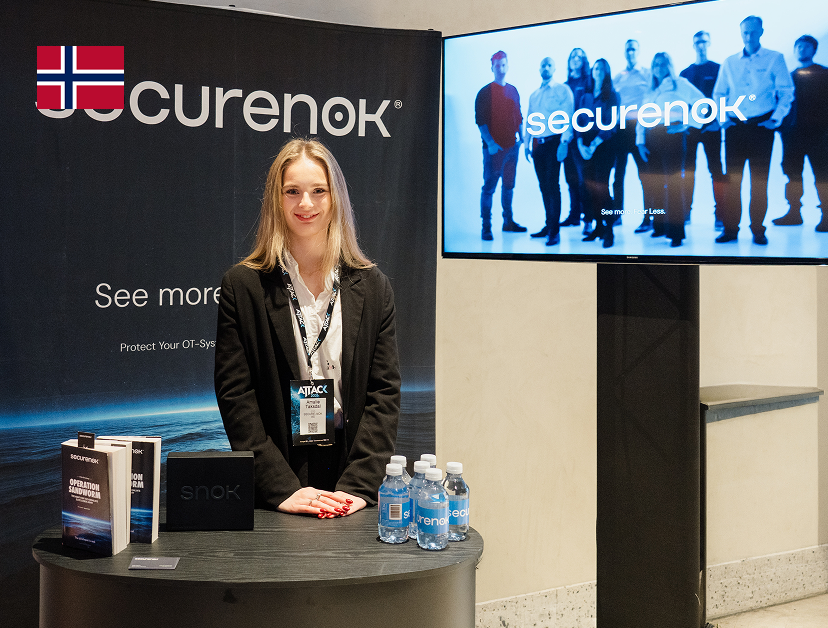
My first Attack conference: Golf, good conversations and a more serious backdrop
How do you present a cybersecurity company to potential customers while you are still learning about it yourself? I got to practise that when I attended my very first conference, the Attack conference, with SecureNOK on 13 October.

SNOK Health Check picks up speed – we are delivering OT overview after OT overview
What equipment is connected to the OT network, and who is communicating with whom? After several projects with the SNOK Health Check, I see how useful it is to get answers to these questions before deciding on the next security measure.
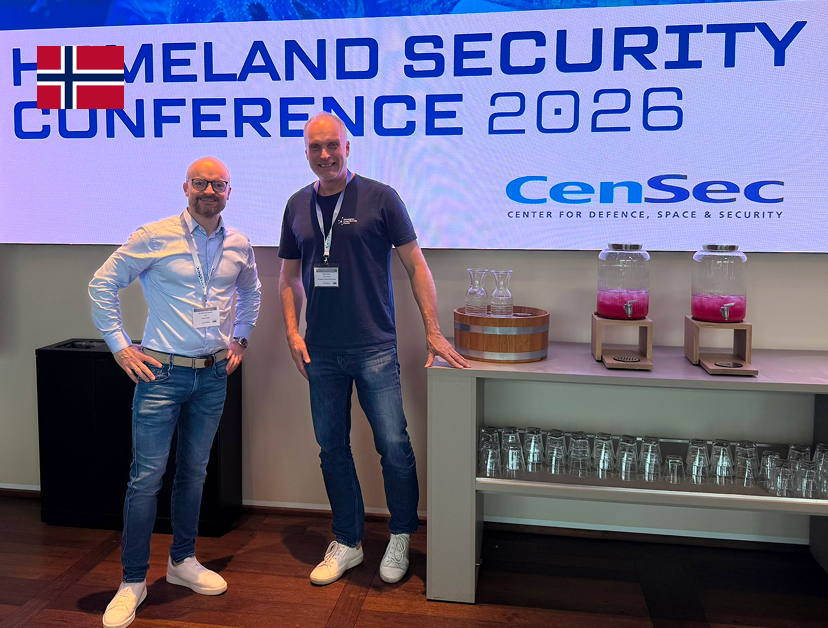
Water supply and critical infrastructure in focus at the Homeland Security Conference in Denmark
What does it take to keep society running when critical infrastructure is exposed to attacks and disruptions? This question was central when I attended the Homeland Security Conference in Copenhagen on 7 October with the Norwegian Cybersecurity Cluster.

Halfway through the OT Roadshow – time for the conversations that often have to wait
Trondheim, Bergen and Stavanger are done, and we are halfway through the OT Roadshow. For me, this is a valuable opportunity to look up from technology development and discuss security with those who know the everyday reality of industry.


Full house as IVAR IKS shared its experiences with OT security
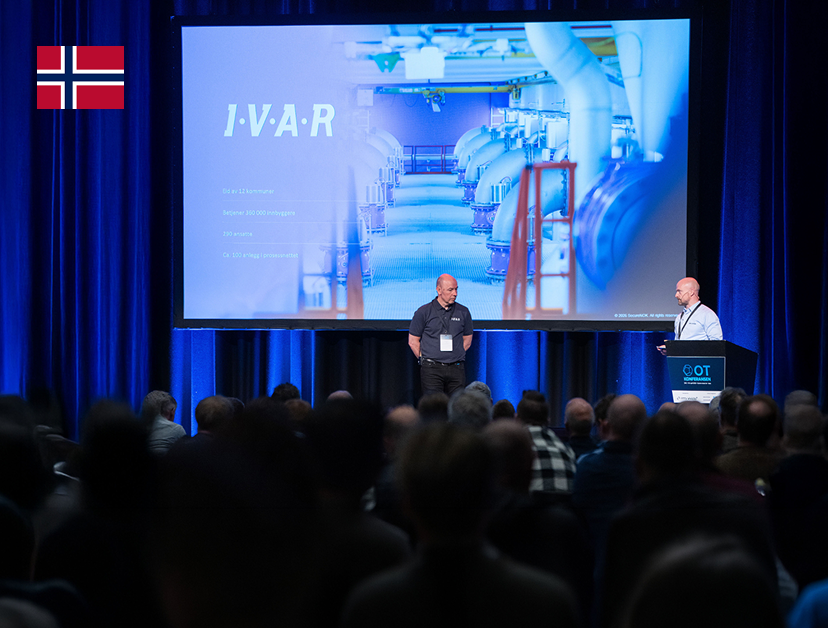
Interest in the webinar with IVAR IKS was greater than we had dared to hope. Through our October campaign on health checks for water and wastewater facilities, we are now making it easier for more organizations to take the same first step towards better overview and control of their OT environments.




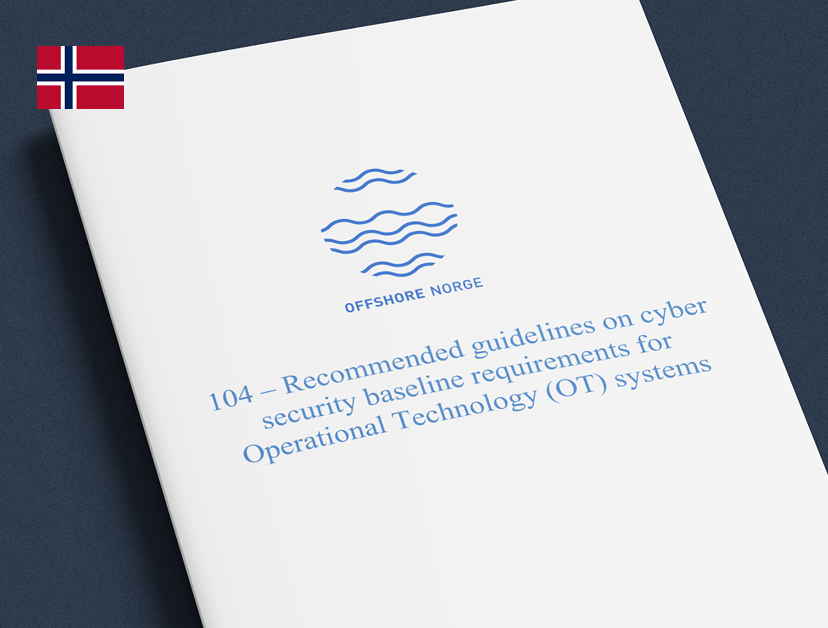
ON 104 has been updated: New requirements for safer and more robust operations on the Norwegian continental shelf
From 1 June 2026, the updated version of Offshore Norge Guideline 104 (ON 104 Rev. 7) applies – one of the most important frameworks for cybersecurity in operational technology (OT) in the petroleum industry.
The Norwegian Food Safety Authority's new guide makes one thing clear: Waterworks must now take OT security seriously
The Norwegian Food Safety Authority (Mattilsynet) has now published the first official guide to the Digital Security Regulations for drinking water. It is an important milestone for Norwegian water supply – and a clear signal that the authorities are now stepping up work on digital security in the sector.


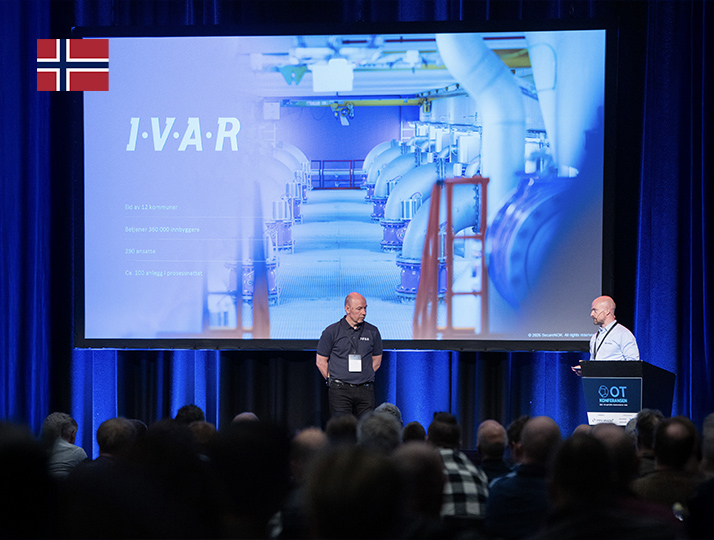
OT Konferansen shows the Nordics taking a leading role in OT security
Today, many industrial environments consist of industrial networks, virtual environments, Windows and Linux systems, remote access, patching and backup solutions, security tools, cloud services and integrations with IT.


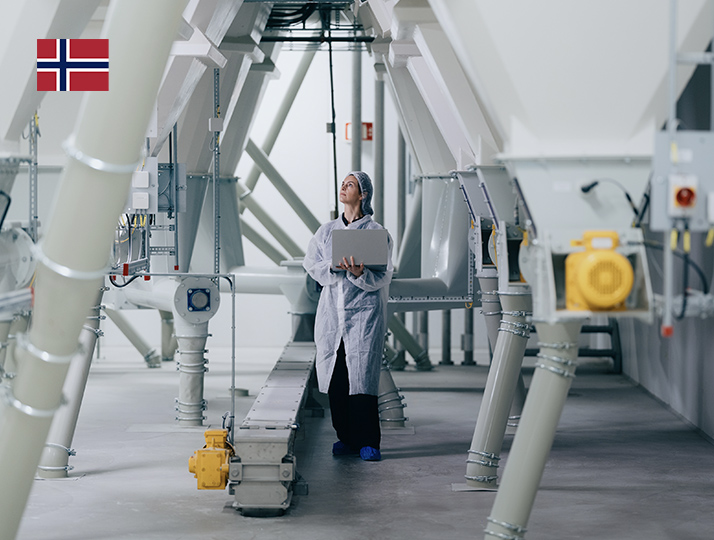
OT security in the food industry starts with insight
As a project manager on OT security projects, I often encounter the same starting point at industrial companies: They know a great deal about production, processes and equipment – but far less about what the digital infrastructure actually looks like in practice.

Norwegian-developed OT security technology for industry and critical infrastructure
Norwegian industry is becoming increasingly digitalized. Production lines, process plants, energy systems and critical infrastructure are being connected more closely to modern IT systems, external suppliers and digital services. At the same time, there is a growing need for cybersecurity solutions actually developed for industrial environments.

Strong support for OT Konferansen 2026 – bringing together leading experts in Stavanger
OT Konferansen 2026 takes place on 29 April in Stavanger, and this year's edition already stands out with a programme that brings together some of the most central players in OT security and industrial digitalization.

How to gain control of the OT environment in practice – experiences from IVAR
For IVAR IKS, stable operations are not just a goal – they are a prerequisite for society to function. As a provider of water and wastewater services to around 360,000 residents in Nord-Jæren, the organization manages critical infrastructure where the consequences of failure are immediate and extensive.

The Preparedness Year 2026: Are water and wastewater in Norwegian municipalities secure enough?
Municipal water supply is among the societal functions covered by the Digital Security Act. The Act entered into force on 1 October 2025 and sets basic requirements for digital security in organizations of particular importance to society. The regulations also place responsibility for digital security clearly with the organization's top management.



Stricter Security Requirements for Critical Services from 1 October 2025 under theDigital Security Act
O nFriday, 20 June, the Norwegian government decided in a Council of State meeting that the Digital Security Act will enter into force on 1 October 2025. At the same time, the Digital Security Regulation was adopted, entering into force concurrently with the Act.

Bremanger Breach: Lessons from a Norwegian Dam Hack
Earlier this year, unidentified hackers breached the control system of a Norwegian dam at Risevatnet, in Bremanger. The hackers discovered that the dam had a Human Machine Interface (HMI) exposed on the Internet and was able to gain access by exploiting a weak password.p
Digitalization: Opportunities and New Risks
Digitalization offers enormous opportunities for efficiency, but it also introduces new risks. When OT systems (Operational Technology) are connected to the internet, vulnerability to attacks increases—attacks that threaten not only data, but also lives, health, and critical societal functions.