

NEWS AND EVENTS
Better overview. More control.
Av Nina Hesby Tvedt, CTO i Securenok
We continue to develop the SNOK® Cybersecurity Monitoring System with one clear goal: to make it easier to get an overview of the OT environment and understand what is actually happening from a security perspective.
With SNOK 1.19, we are introducing several improvements that make the solution easier to configure, manage, and scale. At the same time, users get better insight into the devices that SNOK monitors and their communication.
This release has a particular focus on user-friendliness, asset management, flexible configuration, and integration capabilities—important areas for both our customers and the partners who build services around SNOK.
Here are some of the most important new features, please contact us to receive the full release notes listing all new features and improvements.
Better overview of your OT assets
Asset Management in SNOK now allows the user to add custom attributes to assets and use these to structure information according to how your organization prefers to work. This could, for example, be information related to location, criticality, system, or other properties relevant to each specific OT environment. Import and export capabilities have also been extended, making it easier to manage asset information in larger environments.
Asset Details displays more information about each asset previously only found in the SNOK baseline, including which protocols the device uses and which IP addresses it communicates with. SNOK also extracts information from the network traffic andsupports additional protocols.
The result is richer asset data and a better picture of what actually exists and communicates within the OT environment.
Prioritize events according to criticality
Not all parts of an OT environment are equally critical.
The Security Impact Zone functionality has been extended to allow organizations to define custom zones and determine the severity level that alarms and events should receive within each zone.
One or more subnets can be linked to each Impact Zone, and you can create as many zones as the environment requires.
This makes it possible to assess an incident in the context of where it occurs. The same type of activity can have highly different significance depending on whether it takes place in a less critical area or in a production or safety critical part of the plant.
This ensures better prioritization and makes it easier to focus attention on the events that matter the most.
Easier to adapt to changes in the OT environment
OT environments are not static. Equipment is replaced, communication changes, and new connections are established. Therefore, the baseline must also be able to evolve.
In SNOK 1.19, the network baseline edition functionality has been improved reducing the need to reestablish the SNOK baseline through a new learning period after maintenance work or other changes. The baseline editions can later be restored if they should be included in the normal baseline again.
This makes it easier to maintain a relevant baseline over time—and reduces the effort needed to adjust monitoring when the OT environment changes.
Improved integration interfaces
In SNOK 1.19, the REST API has been expanded with new capabilities to retrieve and manage configuration information and manage the baseline. This allows partners to perform management tasks beyond receiving and managing security alarms and events in SNOK without manually logging in to the platform.
This is an area we will continue to prioritize moving forward, enabling our partners to carry out all periodic tasks in SNOK through the API.
More flexible alarm management
We have also made it easier to configure how SNOK assesses the severity of events.
A new panel makes setting up and changing advanced severity rules simpler and clearer. It is now also possible to create rules for single IP addresses.
Together with Security Impact Zones, this provides greater flexibility to adapt the monitoring to each specific OT environment and the organization's own priorities.

Use SNOK to harvest network captures
The SNOK Network Sensor can now be used to perform full network capture.
A new wizard helps the user configure the capture process. This makes it possible to extract more detailed network information when inspecting and analyzing the environment.
Easier to use. Better insight into OT.
SNOK 1.19 is not just about adding more features.
For us, product development is about making it easier to extract value from the information SNOK collects: a better overview of assets, more relevant detection, simpler administration, and better opportunities to share OT insights with the rest of the security organization.
This is also important when SNOK is to be used across multiple locations and included as part of larger security and deliveries from third party SOC service providers.
We therefore continue to develop SNOK in close cooperation with our customers and partners—with the goal of making OT monitoring easier to implement, use, and integrate.
See your security gaps.


Insights from Norway’s cybersecurity experts
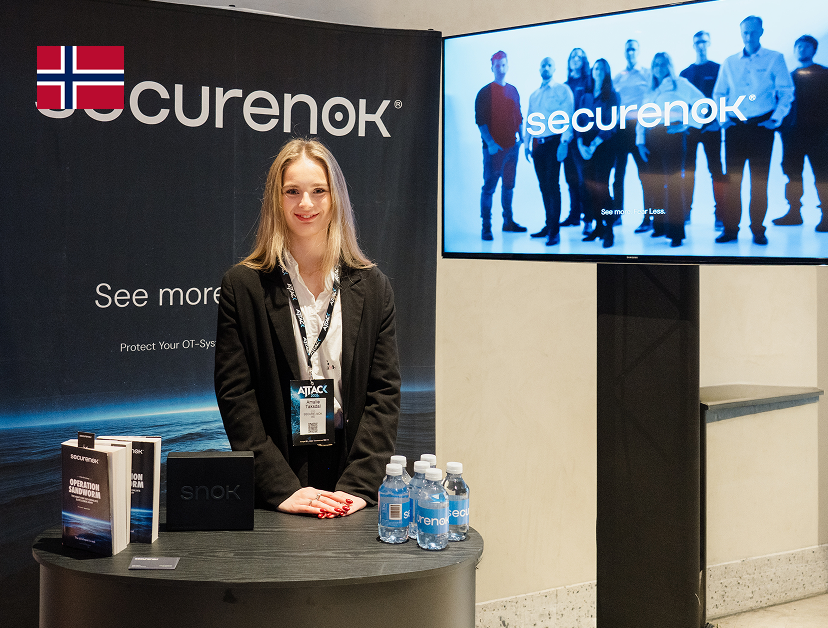
Min første Attack-konferanse: Golf, gode samtaler og et mer alvorlig bakteppe
Hvordan presenterer man et cybersikkerhetsselskap for potensielle kunder når man fortsatt er i ferd med å lære det selv? Det fikk jeg øve på da jeg deltok på min aller første konferanse, Attack-konferansen, sammen med SecureNOK 13. oktober.

SNOK Helsesjekk skyter fart – vi leverer OT-oversikt på løpende bånd
Hvilket utstyr er koblet til OT-nettverket, og hvem kommuniserer med hvem? Etter flere prosjekter med SNOK Helsesjekk ser jeg hvor nyttig det er å få svar på disse spørsmålene før man bestemmer seg for neste sikkerhetstiltak.
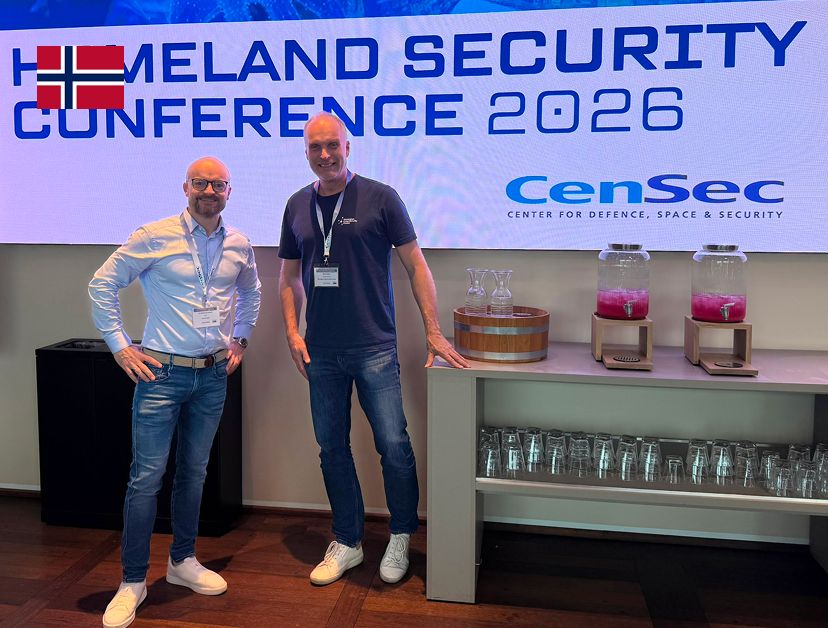
Vannforsyning på agendaen da Danmark samlet seg om totalforsvar under årets Homeland Security Conference i København
Hva skal til for å holde samfunnet i gang når kritisk infrastruktur blir utsatt for angrep og forstyrrelser? Det spørsmålet sto sentralt da jeg deltok på Homeland Security Conference i København 7. oktober sammen med Norwegian Cybersecurity Cluster.

Halvveis i OT Roadshow – tid til samtalene som ofte må vente
Trondheim, Bergen og Stavanger er gjennomført, og vi er halvveis i OT Roadshow. For meg er dette en verdifull anledning til å løfte blikket fra teknologiutviklingen og diskutere sikkerhet med dem som kjenner industriens hverdag.




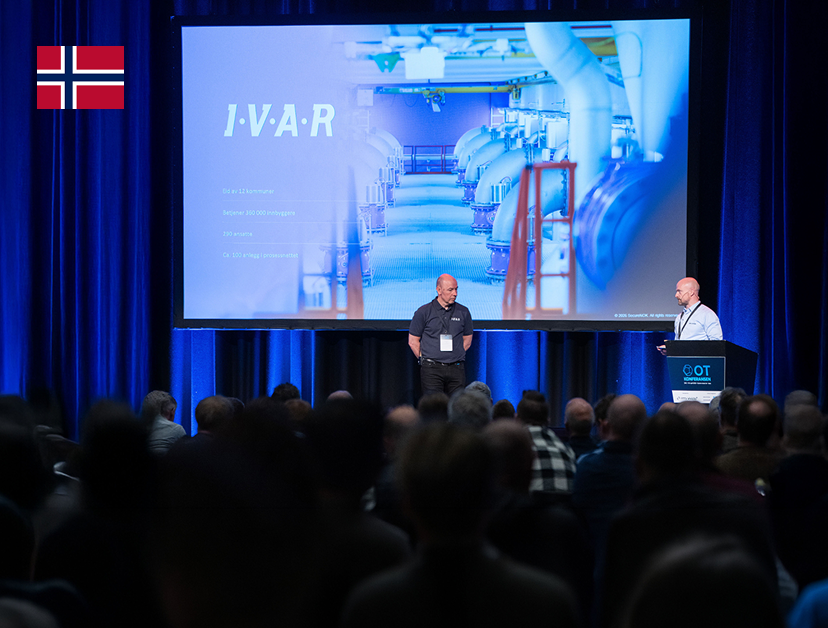
Fullt hus da IVAR IKS delte sine erfaringer med OT-sikkerhet
Interessen for webinaret med IVAR IKS ble større enn vi hadde våget å håpe på. Gjennom vår oktoberkampanje på helsesjekk i V/A-anlegg gjør vi det nå enklere for flere virksomheter å ta det samme første steget mot bedre oversikt og kontroll i egne OT-miljøer.


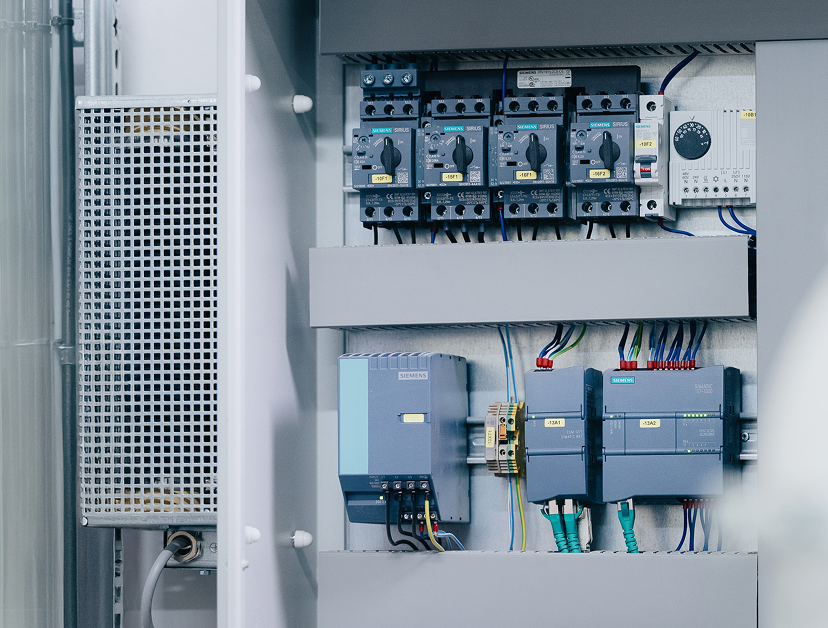



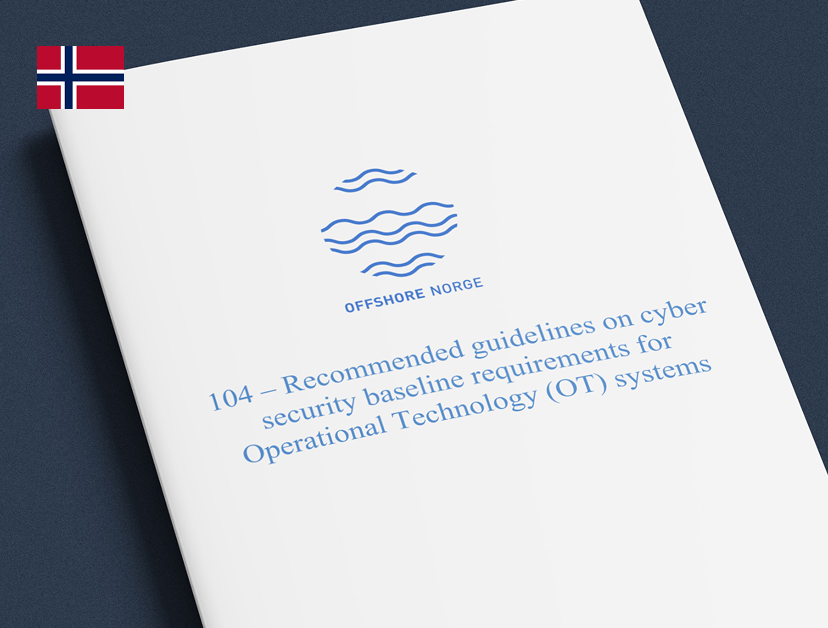


Mattilsynets nye veileder gjør én ting tydelig: Nå må vannverkene ta OT-sikkerhet på alvor
Mattilsynet har nå publisert den første offisielle veilederen til digitalsikkerhetsforskriften for drikkevann. Det er en viktig milepæl for norsk vannforsyning — og et tydelig signal om at myndighetene nå intensiverer arbeidet med digital sikkerhet i sektoren.



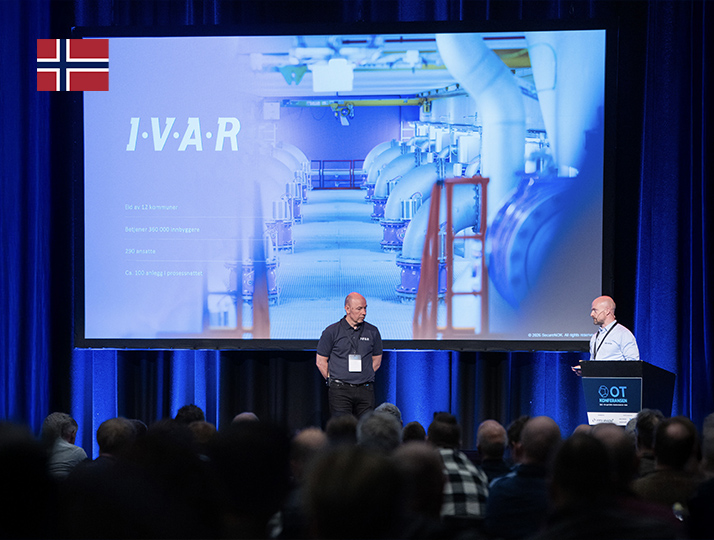



OT-sikkerhet i matindustrien starter med innsikt
Som prosjektleder i OT-sikkerhetsprosjekter møter jeg ofte det samme utgangspunktet hos industribedrifter: Man vet mye om produksjonen, prosessene og utstyret – men langt mindre om hvordan den digitale infrastrukturen faktisk ser ut i praksis.

Norskutviklet OT-sikkerhetsteknologi for industri og kritisk infrastruktur
Norsk industri blir stadig mer digitalisert. Produksjonslinjer, prosessanlegg, energisystemer og kritisk infrastruktur kobles tettere sammen med moderne IT-systemer, eksterne leverandører og digitale tjenester. Samtidig øker behovet for cybersikkerhetsløsninger som faktisk er utviklet for industrielle miljøer.

Sterk oppslutning rundt OT-konferansen 2026 – samler ledende fagmiljøer i Stavanger
OT-konferansen 2026 går av stabelen 29. april i Stavanger, og årets utgave peker seg allerede ut med et program som samler noen av de mest sentrale aktørene innen OT-sikkerhet og industriell digitalisering.
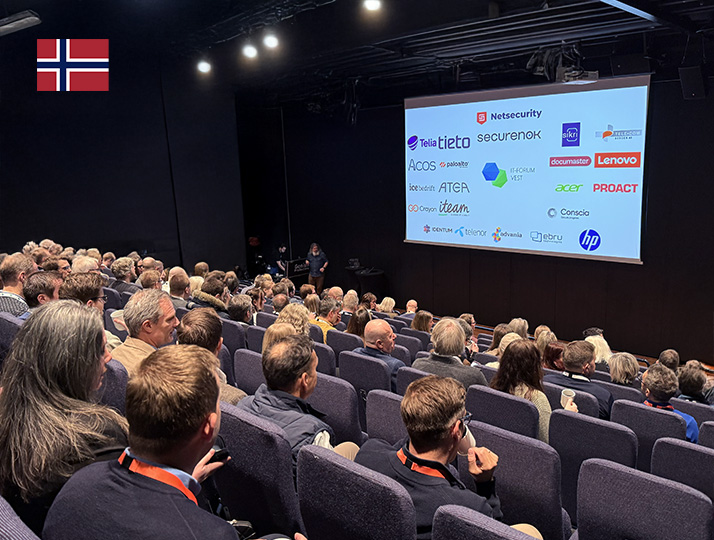
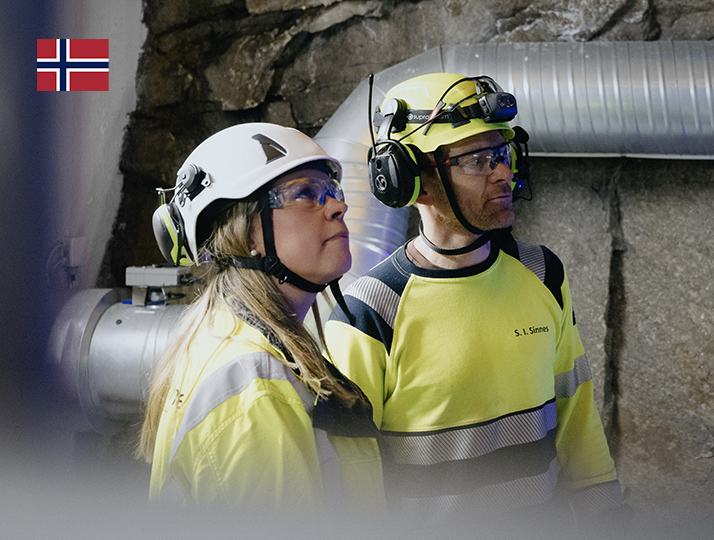
Økt behov for kontroll i komplekse automasjonsmiljøer i olje og gass
Digitaliseringen av olje- og gassindustrien har de siste årene gitt betydelige gevinster i form av effektivisering, bedre datagrunnlag og økt fleksibilitet. Samtidig har utviklingen ført til en betydelig økning i kompleksitet – og dermed også i risiko.

Hvordan få kontroll på OT-miljøet i praksis – erfaringer fra IVAR
For IVAR IKS er stabil drift ikke bare et mål – det er en forutsetning for at samfunnet skal fungere. Som leverandør av vann- og avløpstjenester til rundt 360 000 innbyggere på Nord-Jæren, forvalter virksomheten kritisk infrastruktur der konsekvensene av svikt er umiddelbare og omfattende.

Beredskapsåret 2026: Er vann og avløp i norske kommuner godt nok sikret?
Kommunal vannforsyning er blant samfunnsfunksjonene som omfattes av digitalsikkerhetsloven. Loven trådte i kraft 1. oktober 2025 og stiller grunnleggende krav til digital sikkerhet i virksomheter med særlig betydning for samfunnet. Regelverket innebærer også at ansvaret for digital sikkerhet er tydelig plassert hos virksomhetens øverste ledelse.



Stricter Security Requirements for Critical Services from 1 October 2025 under theDigital Security Act
O nFriday, 20 June, the Norwegian government decided in a Council of State meeting that the Digital Security Act will enter into force on 1 October 2025. At the same time, the Digital Security Regulation was adopted, entering into force concurrently with the Act.


Bremanger Breach: Lessons from a Norwegian Dam Hack
Earlier this year, unidentified hackers breached the control system of a Norwegian dam at Risevatnet, in Bremanger. The hackers discovered that the dam had a Human Machine Interface (HMI) exposed on the Internet and was able to gain access by exploiting a weak password.p

Digitalization: Opportunities and New Risks
Digitalization offers enormous opportunities for efficiency, but it also introduces new risks. When OT systems (Operational Technology) are connected to the internet, vulnerability to attacks increases—attacks that threaten not only data, but also lives, health, and critical societal functions.