

NEWS AND EVENTS
We went in and asked: “What is actually connected to this network?”
By Adil Lakrimi, Senior Sales Executive, Securenok
We go into an OT environment with one simple question: “What is actually connected to this network?”
The answer we get is almost never the one the organization itself would have given. That is the blind spot.
And that is what CEO Tonje Rønneberg Skei and I will talk about when we take the stage at the Attack conference, with the talk: “The Blind Spot – what is hiding in the OT environments of Norwegian organizations?”.
Most of the organizations we meet have done a lot right. Firewalls are in place. The IT environment is monitored around the clock. Incidents are handled by skilled internal or external security teams. But there is one question we rarely get a confident answer to: what about the systems that actually run operations – the valves, the pumps, the production lines?
What we find is rarely what the organization expects
Through SNOK installations in Norwegian critical infrastructure and industrial process facilities – in water supply, energy and production – we get something few others get: actual visibility, right down to PLC and HMI level. In other words, the control systems and operator screens that run production. And the pattern repeats itself. Unknown devices. Networks talking to each other even though they should never have been connected. Endpoints with software and connections no one can account for. Communication patterns that exist entirely outside what the organization thought had been mapped.
Are you under attack right now? Probably not.
Is your attack surface larger than you think? Almost always.
That is a significant difference. Having a security plan is one thing. Actually knowing what is out there is something else entirely.
Why traditional tools don't catch this
IT tools are good at what they were made for: email, servers, cloud services. They are not built to see into an OT environment, where the protocols, the devices and the risk picture are a different game. The result is a kind of false security. The dashboard shows green. What is actually happening in the production environment remains unseen.
At Attack, we will go through the weaknesses that recur across industries, how attacks on industrial environments can actually play out in practice, and what it really takes to detect risk in OT rather than just assume it isn't there. Through anonymized experiences and real incidents from our own installations, we will show how false security arises and what is required to expose it.
From Sandworm to Norwegian OT environments
At our stand, we are giving away a book that has come to stand as one of the most important accounts of what cyberattacks on critical infrastructure can actually involve: Sandworm by Andy Greenberg. It documents how cyberattacks moved from the digital world into critical infrastructure – with consequences far beyond traditional IT security. For the occasion, Andy Greenberg himself has written a few words addressed directly to Norwegian leaders and decision-makers in critical infrastructure. We are taking that message with us to Attack.
Because the story in Sandworm is not just about something that happened somewhere else a few years ago. It is a reminder of why insight into your own industrial systems, an understanding of your own attack surface and the ability to detect abnormal activity have become increasingly important here in Norway too.
Our recommendation this month
Ask one question internally before you come: “Do we actually know what exists and communicates in our own OT environment, or are we assuming it?”
If the answer is uncertain, that is precisely the gap we will be talking about at Attack.
Meet us at Attack
At the stand, you will meet both commercial and technical people from Securenok.
See SNOK in practice, and win a copy of Sandworm with Andy Greenberg's words to Norwegian organizations working to protect critical infrastructure.
So, what do you think we would find if we mapped you tomorrow?

Insights from Norway’s cybersecurity experts
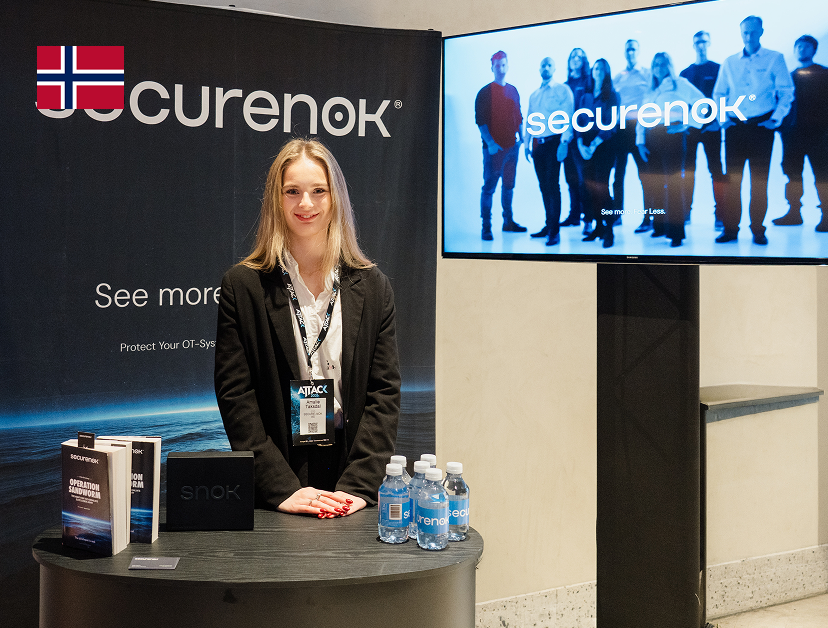
My first Attack conference: Golf, good conversations and a more serious backdrop
How do you present a cybersecurity company to potential customers while you are still learning about it yourself? I got to practise that when I attended my very first conference, the Attack conference, with SecureNOK on 13 October.

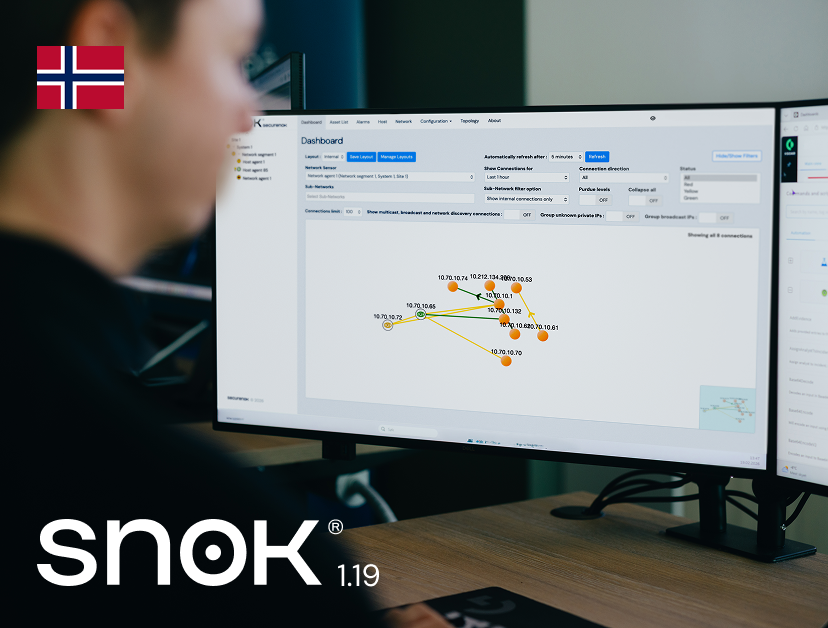
SNOK Health Check picks up speed – we are delivering OT overview after OT overview
What equipment is connected to the OT network, and who is communicating with whom? After several projects with the SNOK Health Check, I see how useful it is to get answers to these questions before deciding on the next security measure.
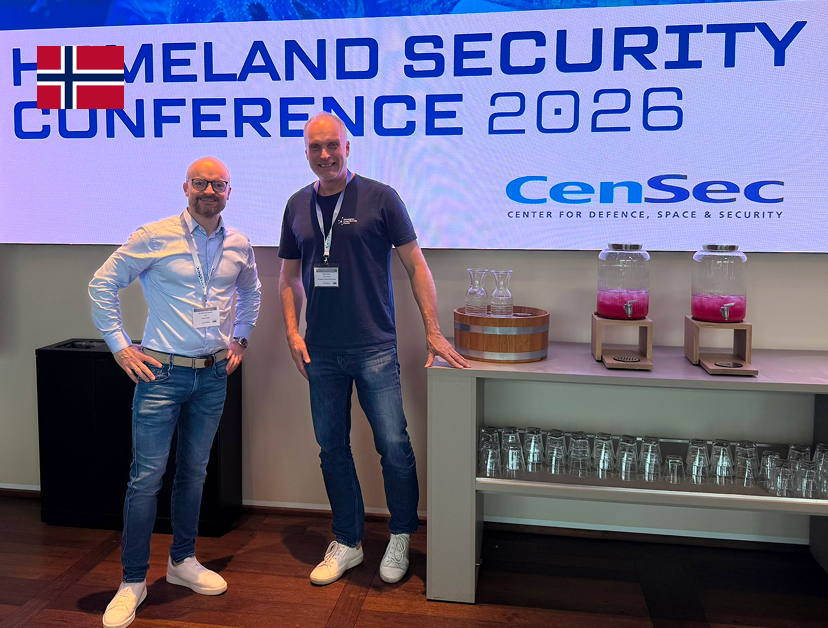
Water supply and critical infrastructure in focus at the Homeland Security Conference in Denmark
What does it take to keep society running when critical infrastructure is exposed to attacks and disruptions? This question was central when I attended the Homeland Security Conference in Copenhagen on 7 October with the Norwegian Cybersecurity Cluster.

Halfway through the OT Roadshow – time for the conversations that often have to wait
Trondheim, Bergen and Stavanger are done, and we are halfway through the OT Roadshow. For me, this is a valuable opportunity to look up from technology development and discuss security with those who know the everyday reality of industry.




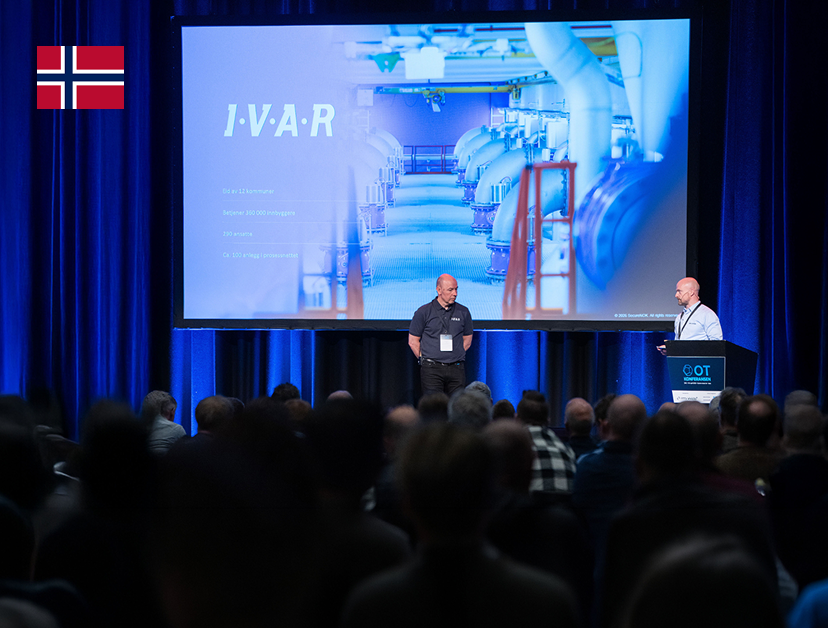
Full house as IVAR IKS shared its experiences with OT security
Interest in the webinar with IVAR IKS was greater than we had dared to hope. Through our October campaign on health checks for water and wastewater facilities, we are now making it easier for more organizations to take the same first step towards better overview and control of their OT environments.





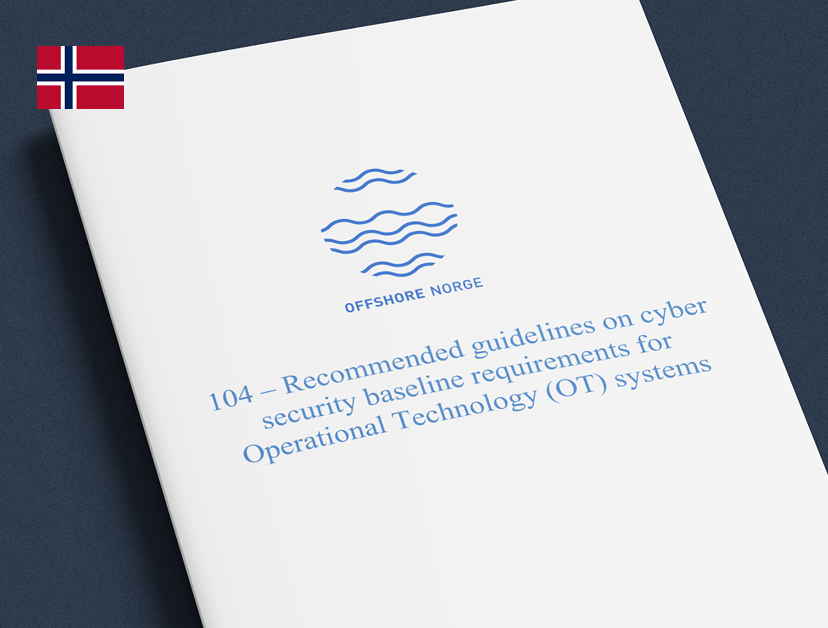
ON 104 has been updated: New requirements for safer and more robust operations on the Norwegian continental shelf
From 1 June 2026, the updated version of Offshore Norge Guideline 104 (ON 104 Rev. 7) applies – one of the most important frameworks for cybersecurity in operational technology (OT) in the petroleum industry.

The Norwegian Food Safety Authority's new guide makes one thing clear: Waterworks must now take OT security seriously
The Norwegian Food Safety Authority (Mattilsynet) has now published the first official guide to the Digital Security Regulations for drinking water. It is an important milestone for Norwegian water supply – and a clear signal that the authorities are now stepping up work on digital security in the sector.
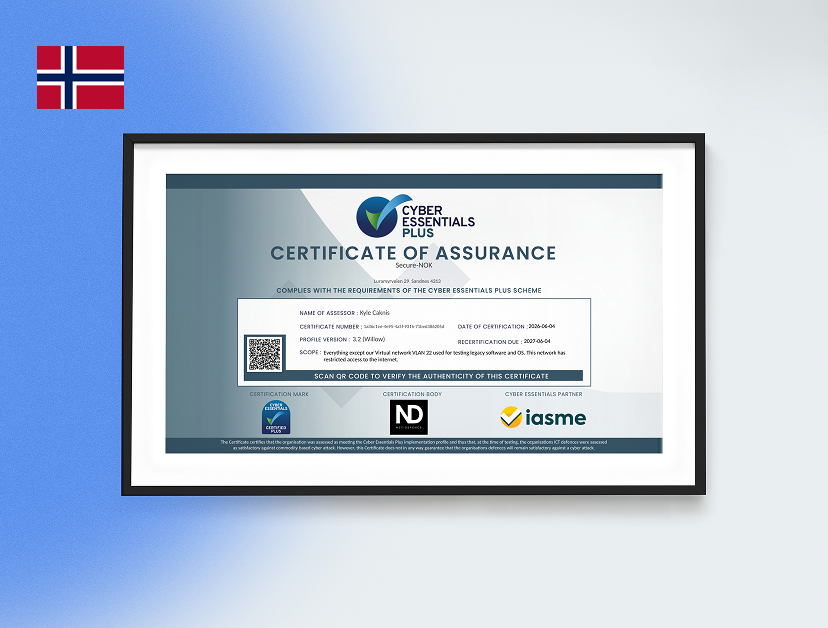


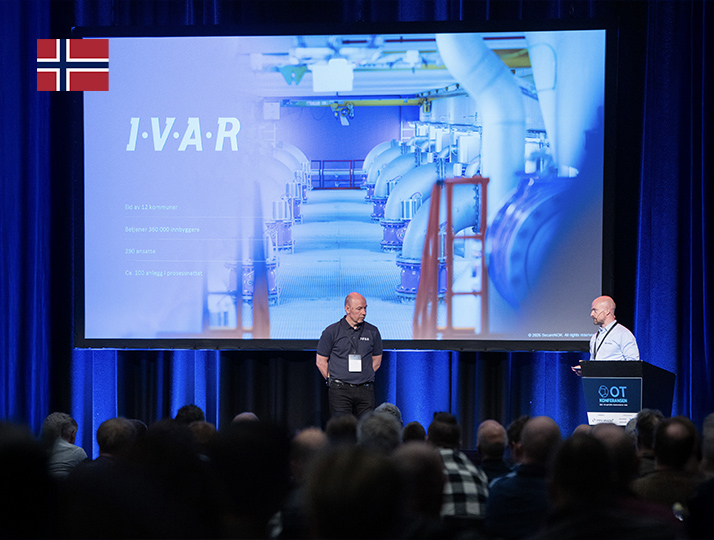
OT Konferansen shows the Nordics taking a leading role in OT security
Today, many industrial environments consist of industrial networks, virtual environments, Windows and Linux systems, remote access, patching and backup solutions, security tools, cloud services and integrations with IT.



OT security in the food industry starts with insight
As a project manager on OT security projects, I often encounter the same starting point at industrial companies: They know a great deal about production, processes and equipment – but far less about what the digital infrastructure actually looks like in practice.

Norwegian-developed OT security technology for industry and critical infrastructure
Norwegian industry is becoming increasingly digitalized. Production lines, process plants, energy systems and critical infrastructure are being connected more closely to modern IT systems, external suppliers and digital services. At the same time, there is a growing need for cybersecurity solutions actually developed for industrial environments.

Strong support for OT Konferansen 2026 – bringing together leading experts in Stavanger
OT Konferansen 2026 takes place on 29 April in Stavanger, and this year's edition already stands out with a programme that brings together some of the most central players in OT security and industrial digitalization.
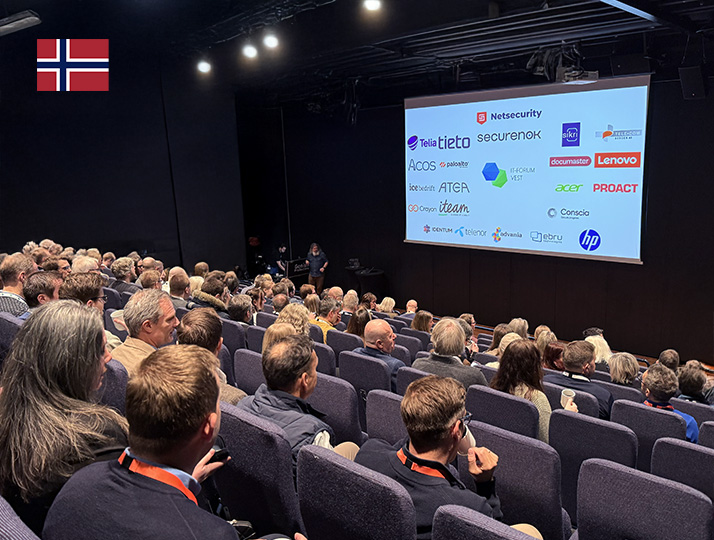
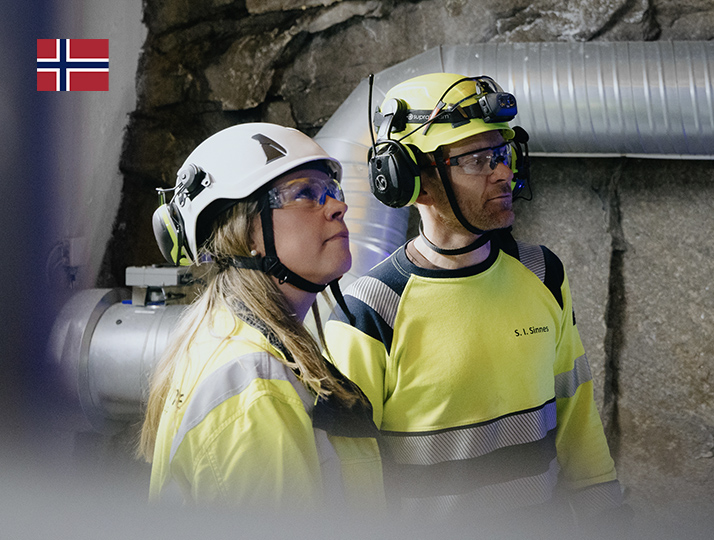
Growing need for control in complex automation environments in oil and gas
In recent years, the digitalization of the oil and gas industry has brought significant gains in efficiency, better data and greater flexibility. At the same time, this development has led to a significant increase in complexity – and therefore also in risk.

How to gain control of the OT environment in practice – experiences from IVAR
For IVAR IKS, stable operations are not just a goal – they are a prerequisite for society to function. As a provider of water and wastewater services to around 360,000 residents in Nord-Jæren, the organization manages critical infrastructure where the consequences of failure are immediate and extensive.

The Preparedness Year 2026: Are water and wastewater in Norwegian municipalities secure enough?
Municipal water supply is among the societal functions covered by the Digital Security Act. The Act entered into force on 1 October 2025 and sets basic requirements for digital security in organizations of particular importance to society. The regulations also place responsibility for digital security clearly with the organization's top management.




Stricter Security Requirements for Critical Services from 1 October 2025 under theDigital Security Act
O nFriday, 20 June, the Norwegian government decided in a Council of State meeting that the Digital Security Act will enter into force on 1 October 2025. At the same time, the Digital Security Regulation was adopted, entering into force concurrently with the Act.


Bremanger Breach: Lessons from a Norwegian Dam Hack
Earlier this year, unidentified hackers breached the control system of a Norwegian dam at Risevatnet, in Bremanger. The hackers discovered that the dam had a Human Machine Interface (HMI) exposed on the Internet and was able to gain access by exploiting a weak password.p

Digitalization: Opportunities and New Risks
Digitalization offers enormous opportunities for efficiency, but it also introduces new risks. When OT systems (Operational Technology) are connected to the internet, vulnerability to attacks increases—attacks that threaten not only data, but also lives, health, and critical societal functions.