

NEWS AND EVENTS
Securenok updates SNOK® pricing
Over the past few years, both Securenok and the OT cybersecurity market have developed significantly.
The need for stronger visibility and security in operational technology environments is no longer a discussion reserved for security specialists. It has become, and should continue to be, a management priority across critical infrastructure, manufacturing, energy, food production and other industries where operational continuity matters.
We see this clearly in the market, where the demand is increasing, our partner ecosystem is expanding, and our technology is being considered for increasingly larger and more complex deployments. At the same time, the value customers expect from OT security monitoring has increased considerably.
As a result, we have made the decision to increase SNOK's pricing by 30%, effective 01.01.2027
This is a significant adjustment, and it is intentional.
Pricing should reflect value
Securenok was built with a clear ambition: to make high-quality OT security monitoring easier to deploy, easier to operate and more accessible than many of the traditional alternatives in the market.
This remains our ambition, however, being accessible should not mean being undervalued.
Today we deliver capabilities that customers increasingly depend on to understand their OT environments, identify assets, monitor communication, detect deviations and strengthen their overall security posture, and we also operate in a market where comparable OT cybersecurity solutions are frequently priced substantially higher. As we have matured, we believe our pricing should more accurately reflect the value of the technology, the expertise behind it, and the business-critical environments it helps protect.
Regulation is increasing, cyber threats targeting critical infrastructure and industrial environments continue to evolve and boards and management teams are paying more attention to operational cyber risk.
Organisations are increasingly recognizing that they cannot protect environments they cannot see, and we expect this development to continue.
Our own growth and pipeline reinforce the same picture: companies are no longer only exploring OT visibility and monitoring, more of them are moving towards implementation, standardisation and larger-scale deployment.
What this means for customers currently evaluating Securenok
For organisations that are already in dialogue with Securenok or one of our partners, Orders confirmed before 31.12.2026 will retain current pricing.
After this date, the new pricing structure will apply.
If SNOK is already part of your OT cybersecurity plans for 2026 or 2027, this therefore represents a natural opportunity to move forward with projects that are already under evaluation.
Our team and partners will work closely with customers who want to clarify scope, deployment models or commercial terms before the new pricing takes effect.
A price increase is never a decision we take lightly, but we believe this is the right step for the company and an important part of positioning Securenok for the next phase of growth.
We will continue investing in our technology, our people, our partners and our ability to deliver strong OT cybersecurity capabilities to organisations across the Nordics and beyond.
The market is moving quickly. So are we.

Insights from Norway’s cybersecurity experts


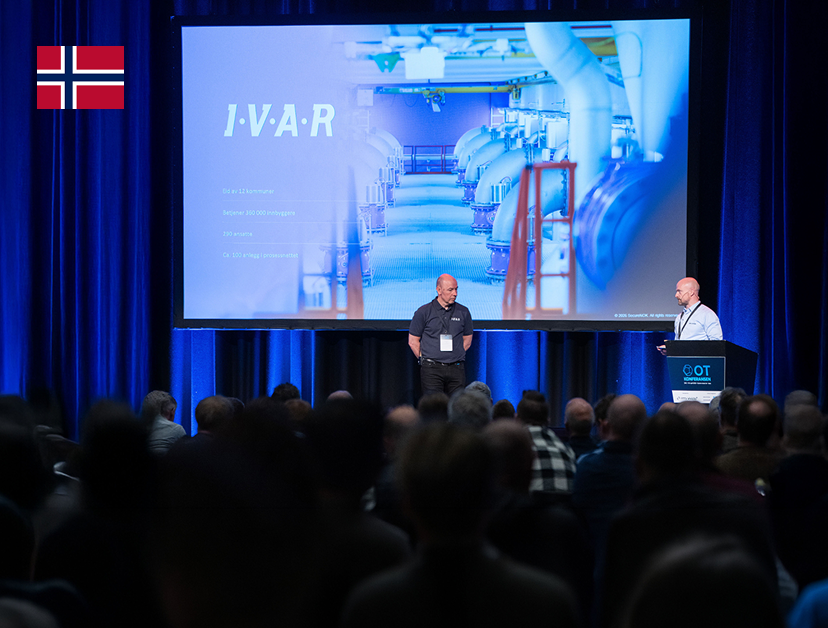
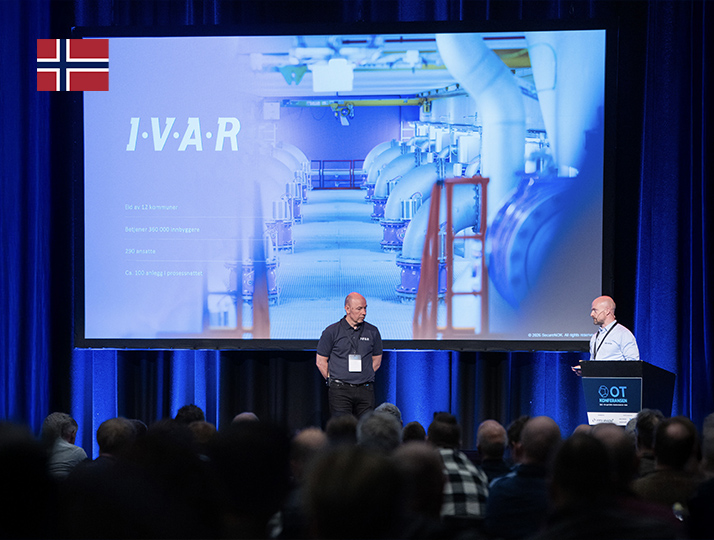
Fullt hus da IVAR IKS delte sine erfaringer med OT-sikkerhet
Interessen for webinaret med IVAR IKS ble større enn vi hadde våget å håpe på. Gjennom vår oktoberkampanje på helsesjekk i V/A-anlegg gjør vi det nå enklere for flere virksomheter å ta det samme første steget mot bedre oversikt og kontroll i egne OT-miljøer.








Mattilsynets nye veileder gjør én ting tydelig: Nå må vannverkene ta OT-sikkerhet på alvor
Mattilsynet har nå publisert den første offisielle veilederen til digitalsikkerhetsforskriften for drikkevann. Det er en viktig milepæl for norsk vannforsyning — og et tydelig signal om at myndighetene nå intensiverer arbeidet med digital sikkerhet i sektoren.





OT-sikkerhet i matindustrien starter med innsikt
Som prosjektleder i OT-sikkerhetsprosjekter møter jeg ofte det samme utgangspunktet hos industribedrifter: Man vet mye om produksjonen, prosessene og utstyret – men langt mindre om hvordan den digitale infrastrukturen faktisk ser ut i praksis.

Norskutviklet OT-sikkerhetsteknologi for industri og kritisk infrastruktur
Norsk industri blir stadig mer digitalisert. Produksjonslinjer, prosessanlegg, energisystemer og kritisk infrastruktur kobles tettere sammen med moderne IT-systemer, eksterne leverandører og digitale tjenester. Samtidig øker behovet for cybersikkerhetsløsninger som faktisk er utviklet for industrielle miljøer.

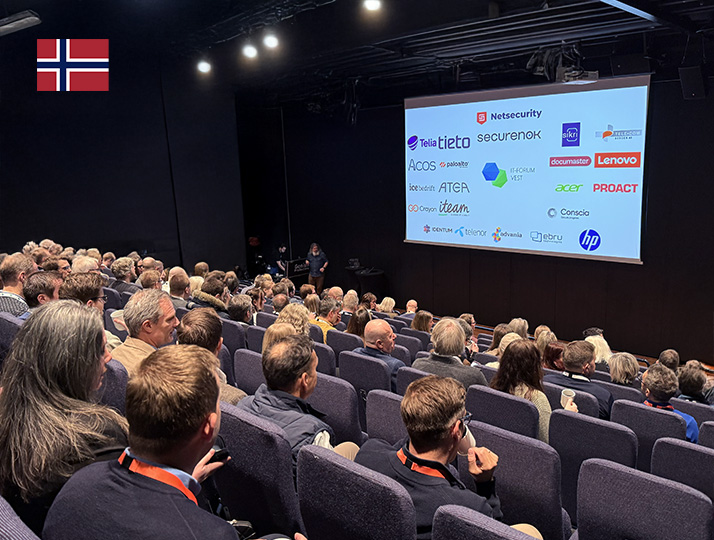
Sterk oppslutning rundt OT-konferansen 2026 – samler ledende fagmiljøer i Stavanger
OT-konferansen 2026 går av stabelen 29. april i Stavanger, og årets utgave peker seg allerede ut med et program som samler noen av de mest sentrale aktørene innen OT-sikkerhet og industriell digitalisering.
Økt behov for kontroll i komplekse automasjonsmiljøer i olje og gass
Digitaliseringen av olje- og gassindustrien har de siste årene gitt betydelige gevinster i form av effektivisering, bedre datagrunnlag og økt fleksibilitet. Samtidig har utviklingen ført til en betydelig økning i kompleksitet – og dermed også i risiko.

Hvordan få kontroll på OT-miljøet i praksis – erfaringer fra IVAR
For IVAR IKS er stabil drift ikke bare et mål – det er en forutsetning for at samfunnet skal fungere. Som leverandør av vann- og avløpstjenester til rundt 360 000 innbyggere på Nord-Jæren, forvalter virksomheten kritisk infrastruktur der konsekvensene av svikt er umiddelbare og omfattende.

Beredskapsåret 2026: Er vann og avløp i norske kommuner godt nok sikret?
Kommunal vannforsyning er blant samfunnsfunksjonene som omfattes av digitalsikkerhetsloven. Loven trådte i kraft 1. oktober 2025 og stiller grunnleggende krav til digital sikkerhet i virksomheter med særlig betydning for samfunnet. Regelverket innebærer også at ansvaret for digital sikkerhet er tydelig plassert hos virksomhetens øverste ledelse.




Stricter Security Requirements for Critical Services from 1 October 2025 under theDigital Security Act
O nFriday, 20 June, the Norwegian government decided in a Council of State meeting that the Digital Security Act will enter into force on 1 October 2025. At the same time, the Digital Security Regulation was adopted, entering into force concurrently with the Act.


Bremanger Breach: Lessons from a Norwegian Dam Hack
Earlier this year, unidentified hackers breached the control system of a Norwegian dam at Risevatnet, in Bremanger. The hackers discovered that the dam had a Human Machine Interface (HMI) exposed on the Internet and was able to gain access by exploiting a weak password.p
Digitalization: Opportunities and New Risks
Digitalization offers enormous opportunities for efficiency, but it also introduces new risks. When OT systems (Operational Technology) are connected to the internet, vulnerability to attacks increases—attacks that threaten not only data, but also lives, health, and critical societal functions.